
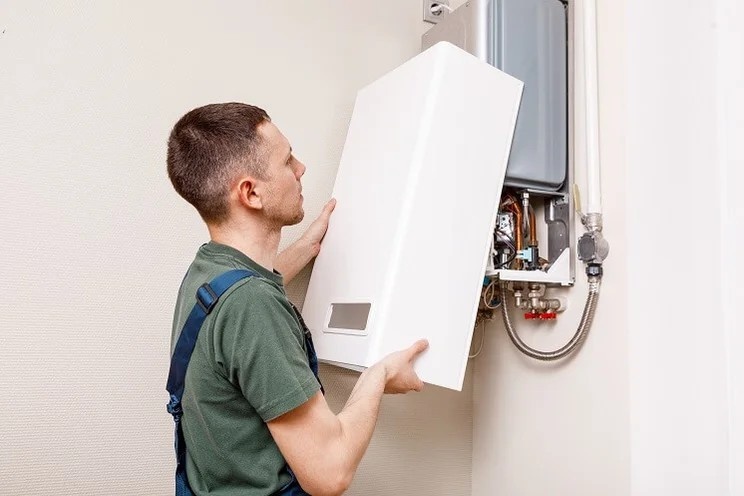
A boiler usually works quietly for years. It heats water, warms radiators, and rarely draws attention. Because of that, many homeowners don’t think about replacing it until something goes wrong. One winter the heating struggles, or the hot water becomes unreliable. Suddenly the question appears: is it time to upgrade boiler, or should you keep repairing the old one?
The answer depends on several practical factors. Age, efficiency, reliability, and safety all play a role. In many cases, the decision is not about a single breakdown but a pattern of problems that gradually make the system less dependable.
Understanding the warning signs helps homeowners act before a heating failure leaves the house cold during winter.
How Long Do Boilers Usually Last?
Most boilers last between 12 and 15 years, though some remain functional for longer with proper maintenance. Regular servicing can extend their lifespan, but even well-maintained systems eventually decline.
Over time, internal components wear out. Heat exchangers face constant temperature changes, pumps lose efficiency, and valves begin to stick. These changes happen slowly, which is why people sometimes overlook them.
When a boiler approaches the end of its typical lifespan, efficiency usually drops and repairs become more frequent. At that stage, upgrading the system often becomes the more sensible long-term choice.
Frequent Breakdowns and Ongoing Repairs
One of the clearest signs that a boiler needs replacing is repeated breakdowns.
At first, repairs may seem minor. A pressure adjustment here, a new valve there. However, when service calls become routine, the situation changes. The cost of maintenance begins to accumulate, and reliability becomes uncertain.
This pattern often occurs because several internal parts wear out around the same time. Fixing one issue does not stop another from appearing a few months later.
If repair bills start approaching the price of a replacement system, upgrading the boiler usually makes more financial sense.
Rising Energy Bills Without a Clear Reason
Energy costs fluctuate naturally, but a noticeable increase in heating bills can signal a decline in boiler efficiency.
Older boilers often waste more fuel because their heat exchangers and burners no longer operate at peak performance. Sediment buildup inside the system can also reduce heat transfer.
When the boiler must burn more gas or oil to produce the same amount of warmth, household energy use rises.
Modern boilers, particularly condensing models, capture heat that older systems release through the flue. Because of that design difference, newer systems often require less fuel to maintain comfortable indoor temperatures.
Uneven Heating Throughout the House
A well-functioning heating system distributes warmth evenly. Radiators heat up quickly, and rooms maintain stable temperatures.
When a boiler begins to struggle, that balance often disappears.
Homeowners may notice:
-
Certain radiators stay lukewarm
-
Rooms at the end of the system heat slowly
-
The thermostat struggles to maintain temperature
Several issues can cause uneven heating, including sludge in the pipes or failing circulation pumps. While cleaning the system may solve the problem in some cases, persistent heating imbalance sometimes indicates that the boiler itself is losing performance.
Strange Noises From the Boiler
Boilers should operate fairly quietly. Some sound from pumps or burners is normal, but loud or unusual noises deserve attention.
Common sounds include:
-
Banging or knocking, sometimes called “kettling”
-
Whistling, which may indicate restricted water flow
-
Rumbling caused by sediment buildup
These noises often develop when mineral deposits accumulate inside the heat exchanger. As water struggles to circulate properly, the system overheats in small pockets.
Occasional noise does not automatically mean the boiler must be replaced. Still, persistent sounds suggest the system needs inspection and possibly an upgrade.
Difficulty Finding Replacement Parts
As boilers age, manufacturers eventually stop producing certain components. This situation creates a practical problem: repairs become harder and more expensive.
Technicians sometimes locate spare parts through specialized suppliers, but the cost can rise significantly. In some cases, the required component simply isn’t available anymore.
When that happens, replacing the entire boiler becomes the only reliable option.
Safety Concerns
Safety should always come first with heating equipment. Boilers rely on combustion, which means they produce gases such as carbon monoxide.
A properly installed and maintained system safely vents these gases outside the home. However, older or poorly maintained boilers can develop faults that affect combustion or ventilation.
Signs of potential safety issues include:
-
Frequent pilot light problems
-
Yellow or irregular flames
-
Soot around the boiler casing
-
Unusual smells during operation
Any of these signs requires professional inspection immediately. In some cases, upgrading the system becomes necessary to restore safe operation.
Major Renovations or Heating System Changes
Sometimes homeowners choose to upgrade the boiler even if it still works.
Large renovations often change the heating requirements of a house. For example:
-
Adding new rooms increases heating demand
-
Installing underfloor heating requires lower water temperatures
-
Improving insulation may allow a smaller, more efficient boiler
During major home improvements, installing a modern heating system can simplify future energy management.
When Repair May Still Be the Better Option
Despite the situations above, not every issue requires a new boiler.
If the system is relatively young and the problem involves a minor component, repairing it often makes sense. A single faulty pump or valve does not automatically justify replacing the entire unit.
That is why a professional inspection matters. An experienced heating engineer can assess whether the underlying problem is isolated or part of a broader decline in system performance.
Practical Steps Before Deciding
If you suspect your boiler may need replacing, start with a few practical steps.
First, schedule a full inspection with a qualified heating technician. They can evaluate efficiency, safety, and the condition of internal components.
Next, review the age of the system and the history of repairs. Patterns matter more than isolated problems.
Finally, compare the cost of repairs with the price of installing a new system. Looking at both short-term and long-term costs helps clarify the decision.
Conclusion
Knowing when to upgrade a boiler is rarely about a single moment. More often, it becomes clear through a combination of signs such as frequent repairs, declining efficiency, uneven heating, or safety concerns.
Sometimes heating problems are also linked to control issues, like a hive thermostat no signal error that stops the system from communicating properly.
Most boilers serve reliably for over a decade, but eventually the balance shifts. When maintenance costs rise and performance falls, replacing the system often provides greater reliability and efficiency.
Before making that decision, it helps to consult a qualified professional and review the condition of the entire heating system. With the right information, homeowners can choose the timing that avoids unnecessary expense while ensuring their home stays warm and safe.



Leave a Reply