
Power generation technology is the backbone of modern infrastructure. Whether in thermal power plants, hydroelectric facilities, or combined-cycle systems, the efficiency and safety of operations depend heavily on high-performance materials.
Critical components such as turbine shafts, steam valve parts, pump shafts, and high-pressure fasteners must withstand extreme heat, pressure, vibration, and mechanical stress. Selecting the right material is essential for operational reliability and long service life.
Turbine Shafts in Power Plants
Turbine shafts are among the most critical rotating components in both thermal and hydro power plants. They transmit mechanical energy generated by steam, gas, or flowing water to generators.
Key Requirements for Turbine Shafts:
-
High tensile strength
-
Resistance to torsional stress
-
Fatigue resistance
-
Thermal stability
-
Dimensional accuracy
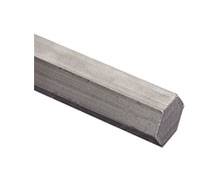
Materials commonly used include alloy steels, chromium-molybdenum steels, and martensitic stainless steels. SS 410 Black Forged Bar is often selected for specific turbine components due to its excellent strength, hardness, and wear resistance. Its forged structure improves grain flow, enhancing mechanical performance under continuous load conditions.
Steam Valve Components
Steam valves regulate the flow of high-temperature steam in thermal power plants. These components operate under:
-
Extreme temperatures
-
High internal pressure
-
Continuous mechanical stress
-
Corrosive steam environments
Materials Used in Steam Valves:
-
SS 410 Black Forged Bar (for valve stems and internal components)
-
Stainless Steel 304 & 316
-
Alloy steel grades for high-pressure applications
SS 410, being a martensitic stainless steel, provides good corrosion resistance combined with high strength and hardness after heat treatment. This makes it highly suitable for valve shafts, discs, and internal components exposed to pressurized steam systems.
Pump Shafts in Hydro & Thermal Plants
Pump shafts are vital in circulating water, coolant, and other fluids throughout power plants. These shafts must handle:
-
Continuous rotation
-
High torque loads
-
Corrosive water exposure
-
Vibration stress
Common materials include:
-
SS 410 Black Forged Bar
-
Duplex stainless steel
-
Carbon steel with protective coatings
-
Alloy steels with heat treatment
The forged nature of SS 410 Black Forged Bar enhances strength and structural integrity, making it suitable for heavy-duty pump shaft applications in both hydroelectric and thermal power stations.
Fasteners for High-Pressure Systems
Fasteners in power generation plants hold together critical piping systems, turbines, boilers, and pressure vessels.
Requirements for High-Pressure Fasteners:
-
High tensile strength
-
Resistance to thermal expansion
-
Corrosion resistance
-
Long fatigue life
Materials used for fasteners include:
-
Alloy steel grades
-
Stainless steel (304, 316)
-
Heat-treated martensitic steels
-
Chromium-molybdenum steel
For certain structural fastening applications, SS 410 Black Forged Bar material is processed into high-strength bolts and studs. Its ability to maintain mechanical properties under elevated temperatures makes it valuable in high-pressure steam systems.
Why Material Selection is Critical in Power Generation
Power plants operate continuously under harsh environments. Components must resist:
-
Extreme heat in thermal plants
-
Moisture and pressure in hydro plants
-
Mechanical vibration
-
High rotational speed
The ability of materials like SS 410 Black Forged Bar to withstand heat and mechanical stress makes them suitable for thermal and hydro power plants. Their combination of hardness, strength, and moderate corrosion resistance ensures reliable long-term performance.
Manufacturing Processes for Power Plant Components
To meet strict operational standards, components undergo advanced manufacturing processes:
1. Forging
Improves grain structure and mechanical strength.
2. Heat Treatment
Enhances hardness and wear resistance.
3. CNC Machining
Ensures precise dimensions and tight tolerances.
4. Non-Destructive Testing (NDT)
Ultrasonic and magnetic particle testing ensure defect-free materials.
Conclusion
Power generation technology relies heavily on robust materials capable of handling extreme operational conditions. Turbine shafts, steam valve components, pump shafts, and high-pressure fasteners must deliver strength, durability, and thermal stability.
Materials such as SS 410 Black Forged Bar, alloy steels, and stainless steel grades remain fundamental to ensuring safety and efficiency in thermal and hydro power plants. As technology advances, the importance of high-quality forged and heat-treated materials will continue to grow in the energy sector.


Leave a Reply