
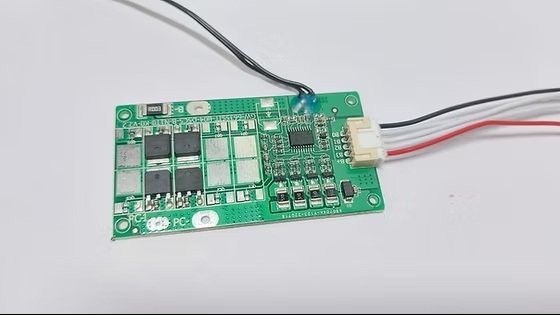
Lithium iron phosphate batteries have become popular in recent years due to their high safety, long cycle life, and stable performance. These batteries are widely used in solar energy systems, electric vehicles, backup power solutions, and portable electronics. However, to operate safely and efficiently, they require a specialized control system known as a LiFePO4 BMS.
A LiFePO4 BMS (Battery Management System) is designed specifically for lithium iron phosphate batteries. Its main role is to monitor battery conditions and protect the cells from damage caused by improper charging or discharging. Without proper management, even high-quality lithium batteries can experience reduced lifespan or safety risks.
How a LiFePO4 BMS Works
A LiFePO4 BMS continuously monitors key battery parameters such as voltage, current, and temperature. Sensors installed within the battery pack collect this data and send it to a control circuit. The system analyzes these readings to determine whether the battery is operating within safe limits.
If the system detects abnormal conditions, it takes immediate action to protect the battery. For example, it can stop charging if the voltage becomes too high or disconnect the load if the battery voltage drops too low. This protection prevents damage that could otherwise shorten the battery’s life.
Another important function of a LiFePO4 BMS is cell balancing. A battery pack typically contains multiple lithium cells connected together. Over time, small differences in voltage may develop between these cells. The system equalizes the charge levels to ensure all cells operate uniformly, which helps maintain efficiency and stability.
Key Features of a LiFePO4 BMS
A well-designed LiFePO4 BMS includes several essential features that support reliable battery operation. One of the main features is voltage protection, which prevents both overcharging and deep discharge. These conditions can damage lithium cells if not properly controlled.
Temperature monitoring is another critical feature. Lithium batteries must operate within a specific temperature range, and the management system helps prevent overheating or extremely low-temperature charging. This improves safety and battery longevity.
Many modern systems also provide communication capabilities. They can connect with external controllers or monitoring software to display battery status, energy levels, and system alerts in real time.
Benefits of Using a LiFePO4 BMS
Using a LiFePO4 BMS offers several advantages for lithium battery systems. The most important benefit is improved safety. Continuous monitoring reduces the risk of overheating, short circuits, or battery failure.
It also helps extend battery lifespan by maintaining balanced cells and preventing harmful operating conditions. This allows the battery to deliver stable performance over thousands of charge cycles.
Another advantage is better efficiency. With accurate monitoring and control, the battery can provide consistent power output while maintaining optimal energy usage.
As renewable energy systems and electric mobility continue to grow, the importance of a reliable LiFePO4 BMS becomes even greater. Proper battery management ensures that lithium iron phosphate batteries remain safe, durable, and highly efficient for long-term applications.



Leave a Reply