
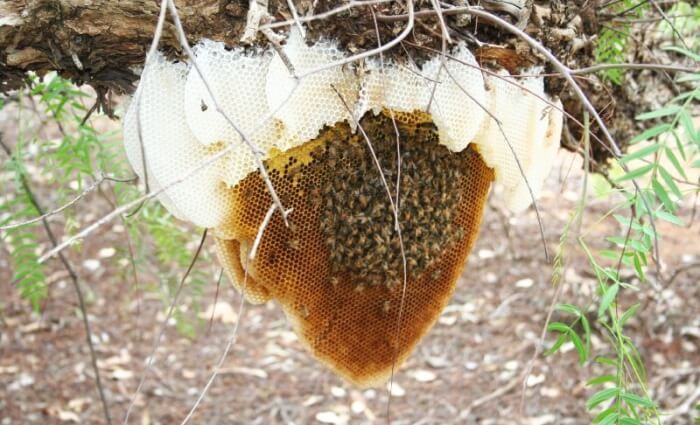
Narrow outdoor walkways often connect gardens, patios, and entrances, creating functional yet sensitive transitional spaces. These areas sometimes attract pollinators searching for nectar, water sources, or sheltered nesting opportunities near flowering landscapes. When homeowners observe increasing bee traffic, it usually indicates nearby resources supporting active pollinator behavior. Bees follow consistent flight routes between hives and food sources, often choosing pathways offering minimal obstacles. Narrow walkways bordered by flowering plants unintentionally become part of these natural travel corridors.
Understanding why bees choose certain routes helps homeowners design spaces that remain welcoming yet comfortable for daily movement. Bees rarely intend to disturb people, yet repeated flight patterns can create anxiety for residents and visitors. Therefore, studying environmental factors influencing pollinator navigation becomes the first step toward balanced coexistence. Bees rely heavily on visual markers, scent trails, and sun positioning when navigating landscapes. Colorful flowers, aromatic herbs, and water features attract pollinators from significant distances during warm seasons. When these elements cluster near entrances or walkways, they increase the likelihood of frequent pollinator movement.
Landscaping Strategies to Redirect Bee Traffic Naturally
Landscape design plays a powerful role shaping how pollinators interact with residential environments. By adjusting plant placement and floral variety, homeowners can influence the direction of bee traffic effectively without harming beneficial insects. One of the most successful strategies involves relocating nectar-rich flowers farther from narrow walkways. Flowering plants such as lavender, salvia, and wildflowers attract bees because they offer abundant nectar. When these plants grow directly beside pathways, pollinators naturally fly along those corridors repeatedly.
Creating designated pollinator zones elsewhere in the garden can help redirect activity. These zones act as attractive feeding areas positioned away from entrances and walkways. By clustering nectar-producing plants together, homeowners encourage bees to concentrate their activity within those designated spaces. Color also plays an important role in pollinator attraction. Bees see ultraviolet patterns and bright colors such as blue, violet, and yellow very clearly. Limiting these colors near walkways while introducing them in distant garden sections helps redirect pollinator movement gradually.
Plant height and density influence flight paths as well. Tall ornamental grasses or shrubs can act as gentle visual barriers guiding insects toward alternative routes. These living barriers subtly shape movement patterns without disrupting natural foraging behavior. In addition, planting non-flowering greenery along narrow walkways reduces immediate nectar incentives. Plants providing foliage without strong floral scents help maintain aesthetic appeal while discouraging lingering pollinator activity.
Structural Modifications That Help Minimize Bee Traffic
In addition to landscaping changes, structural modifications can significantly influence insect movement patterns around residential spaces. Walkway design elements, lighting placement, and airflow channels all affect how pollinators travel through outdoor environments. Bees generally prefer open flight paths with consistent sunlight exposure and minimal obstacles. Narrow passages with bright lighting and reflective surfaces may unintentionally guide insects through frequently used areas. Adjusting these features can reduce repeated flight routes across walkways.
For example, installing soft overhead shading structures may alter how light falls across narrow corridors. Pergolas, trellises, or fabric shade panels diffuse sunlight while reducing visual cues that attract insects. When light intensity changes, pollinators often adjust flight paths naturally. Similarly, modifying walkway surfaces can influence environmental warmth levels. Dark stone materials absorb heat, creating warm microclimates that attract resting insects. Lighter surfaces reflect sunlight, helping maintain cooler ground temperatures, less appealing to bees.
Residents facing repeated hive activity sometimes consult specialists such as a bee removal company in Nashville for safe relocation assistance and expert advice. These professionals evaluate structural vulnerabilities and recommend preventative measures that discourage future nesting. By combining structural adjustments with responsible professional support, homeowners can significantly decrease bee traffic near narrow outdoor walkways.
Behavioral and Environmental Practices to Manage Bee Traffic
Daily household habits also influence pollinator behavior more than many homeowners realize. Simple environmental practices can significantly reduce attraction factors contributing to frequent bee traffic around narrow pathways. Outdoor dining areas often attract bees searching for sugary residues or aromatic food remnants. Drinks, fruit, and desserts emit strong scents detectable by pollinators from considerable distances. Cleaning surfaces promptly after meals reduces lingering aromas that might attract bees. Garbage containers represent another overlooked attraction source. Food packaging, spilled beverages, and organic waste release scents that encourage insect exploration. Keeping bins sealed and positioned away from walkways minimizes unintended pollinator interest.
Fragrance choices may also influence bee behavior in outdoor spaces. Perfumes, scented candles, and strongly aromatic cleaning products sometimes mimic floral scents, attracting pollinators. Limiting these fragrances near narrow corridors helps maintain calmer environments. Clothing colors can affect insect attention as well. Bright floral patterns or vivid yellow garments occasionally resemble flowers to pollinators. While bees rarely sting without provocation, reducing visual confusion near walkways can improve comfort for residents.
Calm movement remains important when encountering bees in close spaces. Rapid gestures or attempts to swat insects often trigger defensive responses. Instead, slow movements and allowing bees to continue their path typically prevent unnecessary disturbances. Educating family members about pollinator behavior further supports safe coexistence. Children especially benefit from learning that bees rarely attack unless threatened. Understanding this behavior encourages respectful observation rather than fearful reactions. These mindful adjustments gradually decrease bee traffic while maintaining a respectful balance between human spaces and natural ecosystems.
Creating Long-Term Harmony Between Walkways and Pollinators
Achieving lasting balance between residential comfort and ecological responsibility requires thoughtful long-term planning. Bees play an essential role supporting pollination for many plants, including crops essential to human food systems. Completely eliminating pollinator presence would damage ecological relationships supporting healthy landscapes. Instead, successful strategies focus on managing how bees interact with specific areas of residential properties.
Designing landscapes that encourage pollinators while protecting pedestrian pathways represents the most sustainable approach. Garden zones rich in nectar-producing plants provide essential food sources without interfering with daily activities. Over time, consistent environmental cues guide pollinators toward predictable feeding zones away from narrow walkways. These cues include color placement, plant density, water location, and sunlight exposure patterns.
Homeowners also benefit from routine property inspections to identify potential nesting opportunities early. Small openings in siding, vents, or fencing materials occasionally invite exploratory insects searching for shelter. Sealing these areas reduces the likelihood of colony establishment near walkways. Seasonal maintenance further supports balanced environments throughout changing weather conditions. Pruning overgrown plants, adjusting irrigation systems, and monitoring flowering cycles help maintain landscape harmony.


Leave a Reply