
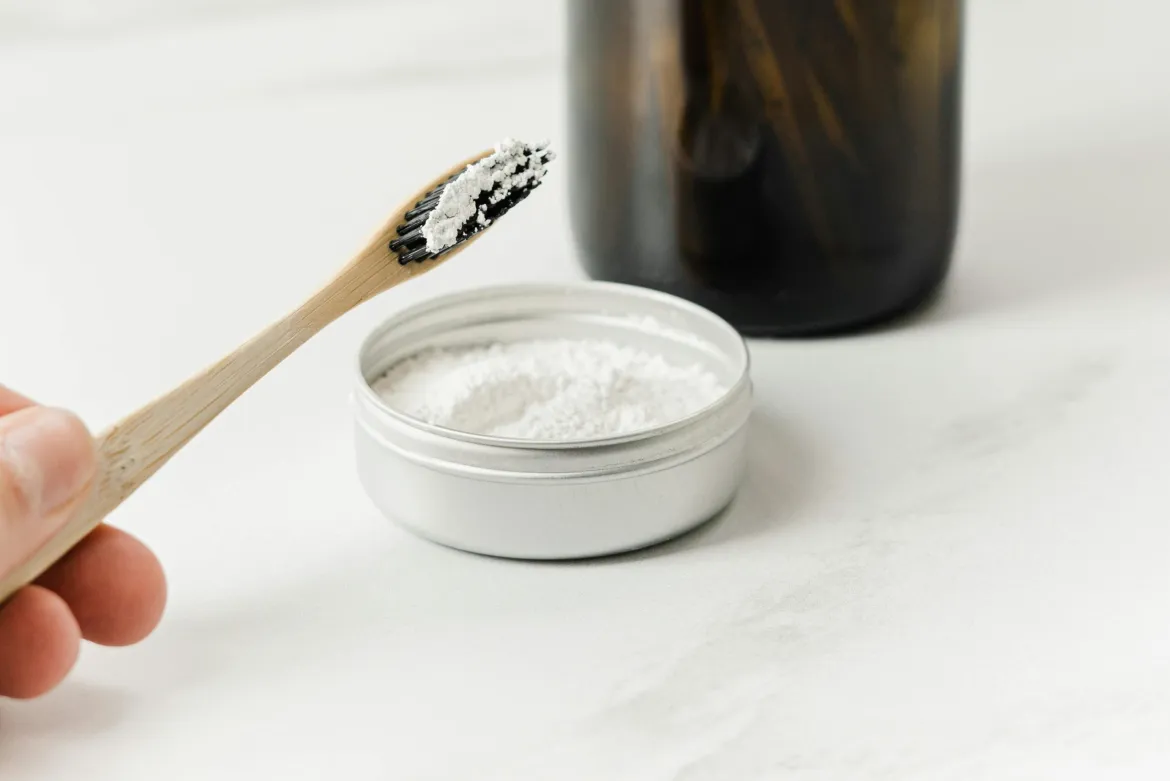
Learning how to make your own toothpaste is a great way to take control of the ingredients you use for oral care. Many commercial toothpastes contain artificial flavors, preservatives, and chemicals that some people prefer to avoid. By making toothpaste at home, you can use simple, natural ingredients while customizing the flavor and texture according to your personal preference.
Homemade toothpaste can be affordable, easy to prepare, and surprisingly effective when made with the right ingredients. This guide explains how to make your own toothpaste step by step, the benefits of DIY toothpaste, and helpful tips for safe use.
Why Choose Homemade Toothpaste?
Many people are becoming more interested in natural and chemical-free products for daily use. Understanding how to make your own toothpaste allows you to control exactly what goes into your oral care routine.
Here are some common reasons people choose DIY toothpaste:
- Avoiding artificial ingredients
- Using natural and eco-friendly products
- Customizing flavor and texture
- Reducing packaging waste
- Saving money on oral care products
When you explore how to make your own toothpaste, you gain the ability to select ingredients that align with your preferences and needs. Understanding how to make your own toothpaste also allows you to adjust the flavor, texture, and ingredients according to your comfort, creating a personalized oral care routine.
Basic Ingredients for Homemade Toothpaste
Before learning how to make your own toothpaste, it is important to understand the common ingredients used in DIY recipes. Most natural toothpastes rely on simple components that help clean teeth and maintain freshness.
1. Baking Soda
Baking soda is one of the most common ingredients used in homemade toothpaste. It helps gently remove stains from teeth and neutralize acids in the mouth.
2. Coconut Oil
Coconut oil provides a smooth texture and may help support oral hygiene. It also has mild antimicrobial properties that can contribute to a cleaner mouth.
3. Essential Oils
Essential oils such as peppermint, spearmint, or tea tree oil are often added to improve flavor and provide a refreshing feeling after brushing.
4. Salt
A small amount of salt can help with gentle cleaning and may support gum health.
5. Xylitol (Optional)
Some DIY toothpaste recipes include xylitol, a natural sweetener that can help improve taste and may support dental health.
Simple DIY Toothpaste Recipe
If you want to start learning how to make your own toothpaste, this simple recipe is a great place to begin.
Ingredients
- 2 tablespoons coconut oil
- 1 tablespoon baking soda
- 5–10 drops peppermint essential oil
- 1 teaspoon xylitol (optional)
Instructions
- Place coconut oil in a small bowl.
- Add baking soda and mix until the texture becomes smooth.
- Add peppermint essential oil for flavor.
- Mix well until all ingredients combine evenly.
- Store the mixture in a small glass container with a lid.
To use, simply dip your toothbrush into the mixture or use a small spoon to place a small amount on your brush.
Variations You Can Try
Once you understand how to make your own toothpaste, you can experiment with different ingredients to find the combination that works best for you.
Charcoal Toothpaste
Activated charcoal is sometimes used in DIY toothpaste to help remove surface stains from teeth.
Herbal Toothpaste
Herbal powders such as neem or clove powder may be added for additional oral care benefits.
Calcium Powder Toothpaste
Some people add calcium carbonate powder to provide minerals that may support enamel health.
Always use ingredients in moderation and research them carefully before adding them to your toothpaste.
Benefits of Making Your Own Toothpaste
There are several advantages to learning how to make your own toothpaste.
Natural Ingredients
Homemade toothpaste allows you to avoid artificial colors, synthetic flavors, and harsh chemicals.
Customization
You can adjust the taste, texture, and ingredients according to your personal preference.
Cost-Effective
DIY toothpaste can be made with affordable ingredients that are often already available at home.
Environmentally Friendly
Using reusable containers and natural ingredients can help reduce plastic waste and environmental impact.
Important Safety Tips
While learning how to make your own toothpaste can be fun and beneficial, it is important to keep a few safety tips in mind.
Do Not Use Too Many Abrasive Ingredients
Ingredients like baking soda should be used in moderation to avoid excessive abrasion on tooth enamel.
Be Careful with Essential Oils
Essential oils are highly concentrated. Only a few drops are needed for flavor and freshness.
Maintain Good Oral Hygiene
Homemade toothpaste should be part of a complete oral care routine that includes brushing twice daily, flossing, and regular dental checkups.
Consult a Dentist if Needed
If you have sensitive teeth, gum disease, or other dental concerns, it is best to consult a dental professional before switching to homemade toothpaste.
Storing Homemade Toothpaste
Proper storage helps maintain the freshness and effectiveness of your DIY toothpaste.
Here are some simple storage tips:
- Keep toothpaste in a sealed container
- Store it in a cool, dry place
- Use clean utensils when scooping the mixture
- Prepare small batches to maintain freshness
Most homemade toothpaste recipes can last for a few weeks when stored properly.
Final Thoughts
Learning how to make your own toothpaste can be a simple and rewarding way to support a natural lifestyle. With just a few ingredients such as baking soda, coconut oil, and essential oils, you can create a homemade toothpaste that helps clean teeth and freshen breath.
Learning how to make your own toothpaste can be a rewarding way to take a more natural approach to oral care. With simple ingredients such as baking soda, coconut oil, and essential oils, you can create a homemade toothpaste that helps clean teeth and freshen breath. Many oral health experts, including professionals such as a Denver Dentist in USA, also encourage people to understand the ingredients they use for daily dental care so they can make safer and more informed choices.
With a little experimentation and care, you can discover how to make your own toothpaste that suits your taste, supports oral health, and fits perfectly into your natural self-care routine.

Leave a Reply