
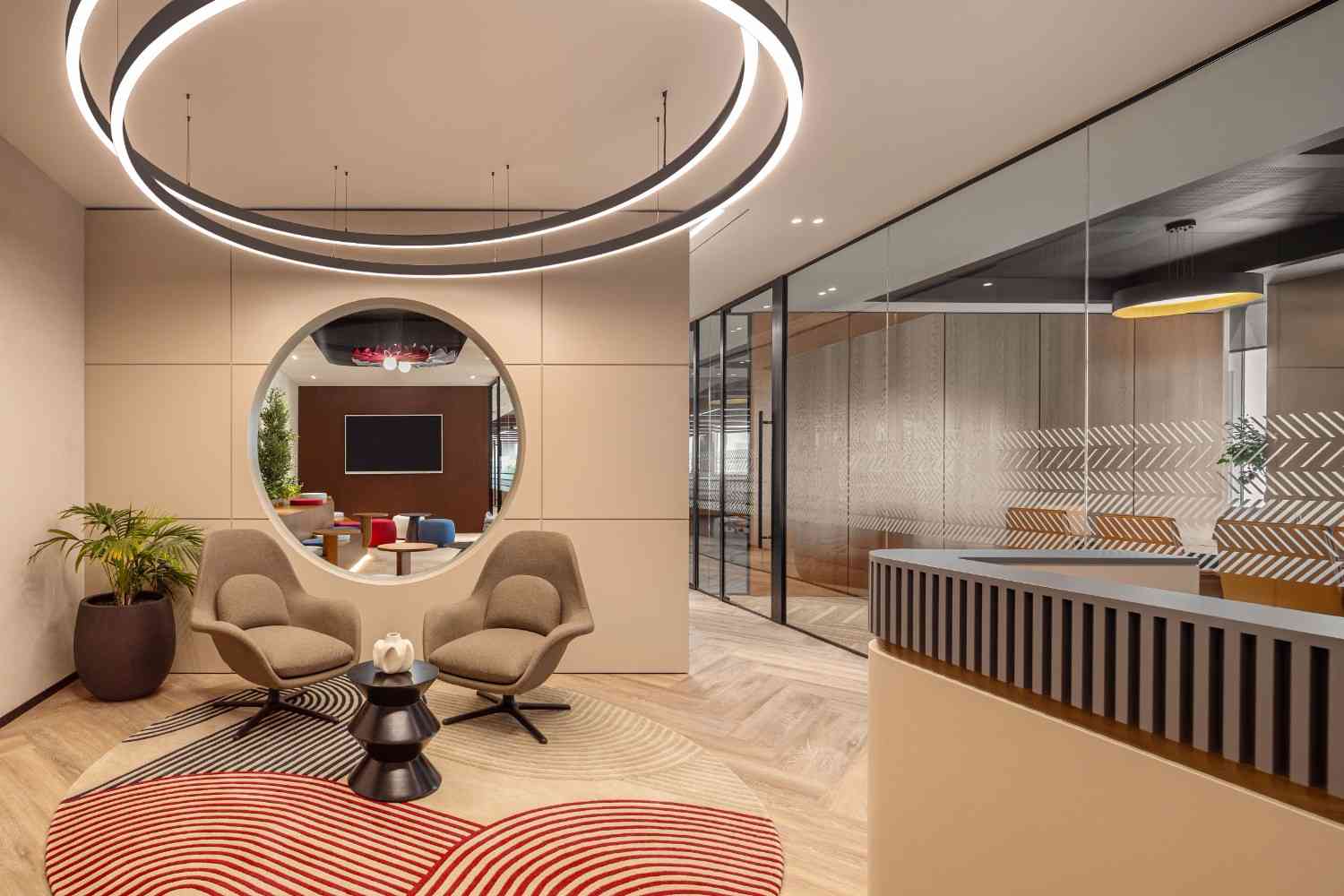
Dubai is globally recognized for its architectural ambition, luxury developments, and innovative commercial spaces. From corporate offices in high-rise towers to bespoke villas and high-end retail outlets, every project demands originality and precision. This is where interior design companies in Dubai stand out by delivering fully customized solutions tailored to each client’s brand identity, operational needs, and aesthetic preferences.
Customization in interior design goes far beyond selecting colors or furniture. It involves understanding business objectives, analyzing space utilization, integrating advanced technologies, and aligning every detail with the client’s long-term goals. In a competitive and design-forward city like Dubai, tailored interiors are not a luxury they are a strategic necessity.
Understanding the Importance of Custom Interior Solutions
Beyond Standard Design Packages
Standard templates rarely meet the complex requirements of modern businesses. Each organization has unique workflows, branding elements, and customer expectations. Custom solutions ensure that interiors reflect these distinctions rather than adopting a one-size-fits-all approach.
Aligning Design With Business Strategy
A well-designed space can influence productivity, customer engagement, and employee satisfaction. Customization ensures that design decisions support operational efficiency while enhancing the brand’s image.
The Client-Centric Approach to Design
In-Depth Consultation and Discovery
The customization process begins with detailed consultations. Designers conduct comprehensive discussions to understand:
- Business objectives
- Target audience
- Functional requirements
- Budget expectations
- Timeline constraints
This discovery phase helps define a clear project roadmap.
Site Evaluation and Feasibility Analysis
Careful assessment of the space allows designers to identify structural limitations, lighting conditions, and spatial opportunities. This ensures practical and achievable design solutions.
Concept Development and Creative Planning
Translating Ideas Into Concepts
After gathering insights, designers create mood boards, conceptual sketches, and thematic proposals. These visual tools help clients see how ideas translate into tangible environments.
3D Visualization and Renderings
Advanced rendering technology allows clients to preview the final design before execution. This reduces uncertainty and enables informed decision-making, minimizing costly revisions later.
Customized Space Planning Strategies
Optimizing Layout Efficiency
Effective space planning is central to customization. Whether designing corporate offices, hospitality venues, or retail outlets, layouts are tailored to maximize workflow efficiency and user experience.
For example, commercial developments in Dubai often require strategic planning to accommodate high foot traffic while maintaining comfort and elegance.
Flexibility for Future Growth
Custom solutions consider long-term expansion. Modular partitions, adaptable workstations, and multi-functional zones allow businesses to evolve without major renovations.
Material Selection and Finishing Personalization
Curating Materials for Function and Aesthetics
Every material is chosen based on durability, design harmony, and budget considerations. Customized interiors may include bespoke joinery, specialized lighting fixtures, and carefully selected finishes.
Sustainability as a Design Priority
Many projects incorporate eco-friendly materials and energy-efficient systems. Sustainable customization not only enhances environmental responsibility but also reduces operational costs over time.
Integration of Technology in Custom Designs
Smart Office Solutions
Modern interiors frequently integrate automated lighting, smart climate control, and acoustic management systems. These features are tailored according to business operations and user comfort.
Digital Collaboration Tools
Building Information Modeling (BIM) and digital project management platforms ensure seamless coordination among stakeholders. This reduces delays and enhances precision.
Tailored Solutions for Different Sectors
Corporate Offices
Customized corporate spaces reflect brand values and promote productivity. Designers incorporate ergonomic furniture, collaborative zones, and private meeting areas aligned with company culture.
Retail Spaces
Retail environments focus on customer experience. Layouts guide visitor flow, highlight key products, and create immersive brand storytelling.
Hospitality Projects
Hotels and restaurants require unique ambiance and functional efficiency. Customized lighting, thematic décor, and acoustic considerations create memorable guest experiences.
Residential Projects
Luxury villas and apartments demand personalization that reflects lifestyle preferences. From walk-in wardrobes to custom kitchen layouts, every detail is crafted for comfort and exclusivity.
Budget Management Without Compromising Customization
Strategic Cost Planning
Customization does not necessarily mean excessive spending. Careful budgeting ensures optimal allocation of resources while maintaining quality standards.
Value Engineering Techniques
Designers evaluate alternative materials and construction methods to achieve the desired look within financial limits. This balance between creativity and practicality is key to successful projects.
Collaboration With Skilled Specialists
Integrated Design and Execution
Close collaboration between designers, engineers, and contractors ensures consistency from concept to completion. Coordinated efforts reduce errors and maintain timelines.
Quality Assurance and Compliance
Strict adherence to local regulations and building codes ensures smooth approvals and reliable project delivery. Attention to detail during installation guarantees durability and safety.
Emphasizing Brand Identity Through Custom Design
Customized interiors strengthen brand presence.
- Color palettes align with corporate branding
- Layouts reflect business culture
- Signature elements enhance visual recognition
This cohesive approach transforms physical spaces into powerful brand assets.
Overcoming Challenges in Custom Projects
Managing Time Constraints
Efficient planning and milestone tracking keep projects on schedule. Digital monitoring tools help maintain transparency.
Handling Design Revisions
Open communication ensures that feedback is incorporated smoothly without disrupting progress.
Balancing Creativity and Practicality
The most successful custom projects maintain harmony between innovative ideas and functional requirements.
The Role of Innovation in Delivering Custom Solutions
Innovation drives the evolution of interior design in Dubai. Designers experiment with advanced materials, creative lighting techniques, and immersive spatial experiences.
Emerging trends include:
- Hybrid workspaces
- Biophilic design concepts
- Minimalist luxury aesthetics
- Smart automation systems
These innovations allow businesses to remain competitive and visually distinctive.
Long-Term Value of Custom Interiors
Investing in personalized interiors yields lasting benefits:
- Enhanced employee productivity
- Stronger customer engagement
- Improved property value
- Reduced future renovation costs
By addressing both present needs and future adaptability, customized design becomes a strategic investment rather than a simple aesthetic upgrade.
Final Thought
Delivering custom interior solutions requires creativity, technical expertise, and strategic planning. From initial consultation to final installation, every phase must align with client objectives and operational goals.
In a market known for innovation and design excellence, tailored interiors define business success. Collaboration, technology integration, sustainable practices, and detailed craftsmanship all contribute to creating spaces that truly stand out.
Ultimately, the synergy between designers and experienced interior fitout companies in UAE ensures that projects move seamlessly from concept to completion bringing unique visions to life while maintaining quality, efficiency, and long-term value.
Leave a Reply