
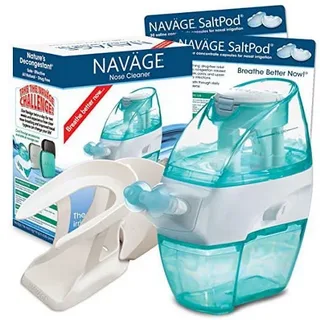
The Engineering of Relief: Selecting the Best Sinus Irrigation Machine for Daily Care
In my seven years working with devices and product design I’ve learned that taking care of your health at home is all about finding the right balance between effectiveness and reliability. When it comes to sinus health moving from squeeze bottles to powered devices has been a game changer. However not all devices are built equally.
If you’re looking for the sinus irrigation machine reviews often focus on surface level features.. As someone whos managed supply chains and material sourcing I look deeper: at the pumps consistency the safety of the plastics used and how easy it is to sterilize.
Here’s a breakdown of the sinus irrigation solutions focusing on how well they work and the long-term health benefits.
The Precision Pulse System
From a manufacturing standpoint a pulsatile action is better than a stream. This device uses a pulse that mimics the natural movement of nasal cilia. When evaluating the sinus irrigation machine reviews often overlook the importance of ciliary beat frequency. A designed pulse helps dislodge biofilm without hurting the delicate mucosal lining.
The High-Volume Low Pressure (HVLP) Specialist
This machine excels by providing a volume of saline at a controlled low pressure. The design minimizes the risk of fluid entering the tubes a common flaw in cheaper high pressure imports.
The Travel Ready Compact Irrigator
Creating a medical device involves a trade-off between battery life and motor torque. This model manages both. It uses grade, BPA free polymers that withstand travel without micro-cracking which is essential for preventing bacterial growth.
The Integrated Suction Hybrid
This device uses a dual-chamber design to push saline in one nostril and vacuum it out the other. These units are more complex to manufacture due to the seals required.
The Silent Motor Daily Driver
Noise pollution affects compliance. Brands that invest in quality dampening materials see much higher long-term usage rates. This machine is the quietest on the market utilizing a brushless motor that offers a lifecycle.
The Pediatric Focused Gentle Flow
Designing for children requires an approach to material feel and flow rate. This device utilizes a throttled motor and soft-touch silicone tips. The choice of medical grade silicone over PVC is a critical safety distinction.
The Professional Grade Multi User System

This machine is built for durability. It features a heavy-duty reservoir and reinforced hosing. A expensive durable machine often has a lower cost per use over three years than a disposable alternative.
Professional Insight: The “Seal” Fallacy
One common mistake brands make and consumers fall for is the “nozzle claim. A one size fits all approach often leads to pressure seals. My opinion is that the best sinus irrigation machine reviews should prioritize devices that offer tip geometries.
The Cost of Poor Material Choice
Cutting corners on grades can ruin a products reputation. Cheaper devices often use plastics that degrade when exposed to salt and minerals. Always look for “grade” labeling.
Common Mistakes in Selection and Maintenance
Ignoring the Pump Cycle: Many users buy machines with a flow. Variable speed is not a luxury; it’s a necessity.
Bulk Ordering Without Testing: Never buy a fleet of devices based on a spec sheet. The vibration frequency of the motor can affect the user’s comfort.
Neglecting the Reservoir Design: A reservoir with internal corners is a nightmare to clean. A rounded seamless tank is always safer.
Final Thoughts on Brand Positioning
The market is flooded with hardware but the best sinus irrigation machine reviews should guide you toward companies that prioritize biocompatibility. A sinus irrigator is a tool, for respiratory hygiene, not a bathroom accessory.
visit more about: wetelluhow


Leave a Reply