
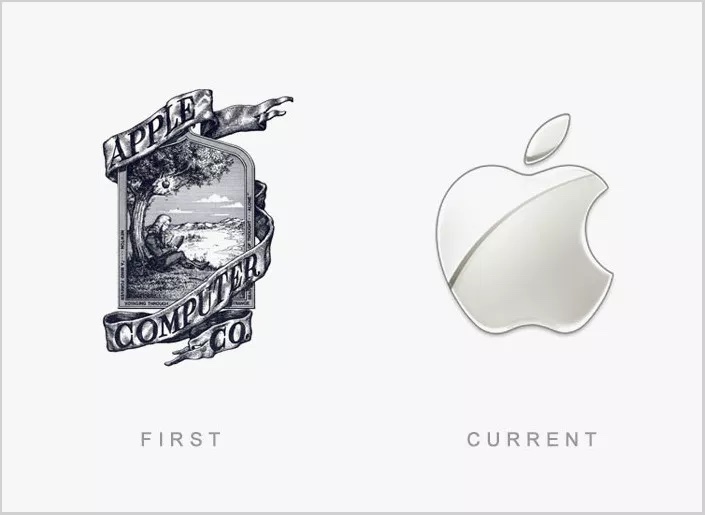
Smiling, many familiar logos have come back into favor in face-offs over the past few years. Some companies that once opted for simple, modern designs are now reverting to their earlier, classic styles. The change has attracted much interest and curiosity. It also raises an interesting question: Why are companies returning to their original logos?
And the answer is rooted deep in psychology, branding strategy, and market positioning. Businesses are discovering that, in some cases, the future of branding lies in our past. Classic logos hold emotional value, brand recognition, and authenticity that today’s iterations may have lost.
Use happy memories to strengthen your brand
Memory is one of the strongest reasons brands return to old logos. Our product is built upon designing an unforgettable overall experience. And these emotions influence buying behavior more than most people recognize. Consumers turn toward the familiar in uncertain times. This type of emotional assurance can be highly impactful for customer loyalty and sales.
Over-Simplification Fatigue
Over the past decade, a series of brands have adopted ultra-minimalist logos. While minimalism works very well in a digital space, it can also lead to designs that look similar. Sans-serif fonts, flat icons, and monochrome palettes are spreading across industries. This caused such brands to lose their unique identity. Logos that are overly simplified risk becoming background noise.
Stronger Brand Recognition
However, older logos typically snap and capture a time when a brand was forming its core identity. Brand recognition is essential to the success of any marketing strategy and needs no introduction. When classic logos are instantly recognized by customers, they require little to no re-education. This uses existing brand equity rather than building awareness from scratch.
Authenticity over Trendiness
Modern consumers value authenticity. Younger consumers are growing cynical about brands that seem to be regularly reinventing themselves to stay relevant. A new look every couple of quarters makes the company seem indecisive, if not unclear.
Logo design services from Branding experts work hand in hand with these companies to revive nostalgic designs. It’s all about balancing not looking outdated with keeping certain elements timeless. This technique works particularly well for legacy brands with decades of history.
Social Media and Retro Culture
All types of retro aesthetics are all the rage on social media. Retro fashion, classical photography methods, and nostalgia marketing initiatives frequently trend online. Companies have seized upon this cultural movement.
How an outdated logo fits so well into retro branding campaigns. It produces shareable material and creates chatter among consumers. Nostalgia or surprises are the two things people respond to most when posting and commenting.
Correcting Past Rebranding Mistakes
Not every logo redesign works out well. Notably, some rebrands can provoke major backlash from consumers who hate the new look. If negative criticism impacts sales or a company’s brand image, the organization may change its mind. Reverting to a vintage logo can also be an ingenious recovery plan. It shows that the company is listening to its audience. And that transparency can help restore customer relationships and trust.
Digital Optimization of Classic Designs
Technological evolution is another reason that companies revisit old logos. Numerous vintage logos were created for print rather than digital platforms. Now, brands can iteratively polish these designs for use across websites, mobile apps, social media, and more — without compromising their original charm.
During this process, designers have an opportunity to update colors, simplify excessive details, and adapt the scale without losing that nostalgic touch. This equilibrium gives brands a semblance of identity while also being digitally palatable.
Appealing to Multiple Generations
Today, brands aim at both the senior and junior audiences. For older consumers, the logo’s return is part of a nostalgia trip, while young people might think it’s cool and want to be different.
A classic logo could stand the test of time. It caters to longtime customers while also attracting new ones with its retro appeal. This twofold benefit makes old logos a strategic asset.
Cost-Effective Branding Strategy
Rebranding is expensive. This includes updating packaging, marketing materials, digital assets, and physical signage. As such, startup companies are not only attracted to a new logo for its own sake. They may be willing to revert to an old one simply because another, completely new concept has proven ineffective, and the cost of developing it again is prohibitively high.
The risk of experimentation is reduced when using a previously established logo. Since the design has a proven history of success, it has lower uncertainty.
Emotional Storytelling and Heritage Marketing
Marketing is all about storytelling. Brands no longer only sell products; they also sell experiences and identity. A timeless logo becomes an impactful storytelling vehicle.
Companies emphasize their past to lend credibility. Visual identity can convey milestones, accomplishments, and timeless values. Heritage marketing reinforces brand image and creates more meaningful emotional connections.
A Balance between Old and New
It’s worth noting that companies don’t typically return to their old logos. Most reintroductions involve subtle updates. The typography is adjusted, the spacing refined, and clarity improved, all while retaining the essence. This helps the brand avoid looking dated while keeping it grounded. So instead, it’s refreshing yet familiar. The idea is to blend classic appeal with contemporary usability.
Conclusion
So, why are firms returning to past logos? The motivations to do so are both emotional and tactical. And nostalgia, authenticity, familiarity, and digital culture have a place as well. While minimalist designs are all the rage these days, a timeless emblem creates distinction and depth within a brand.
There is nothing retrogressive about going back to an old logo. Often, it’s a very deliberate branding decision backed by psychology and market insight. Companies are finding that the best way forward is sometimes to go back.


Leave a Reply