
Introduction
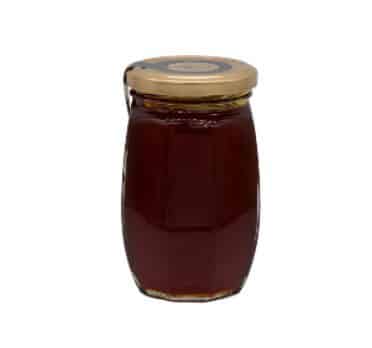
Sidr honey is one of the most treasured natural honeys in the world. Known for its rich, aromatic flavor and thick, golden texture, it is highly valued not only for taste but also for its health benefits. This rare honey comes from the nectar of Sidr trees, which grow in arid and semi-arid regions, and its production is limited by both geography and season. Because of its uniqueness, traditional harvesting methods have been preserved for generations to maintain the purity and quality of Sidr honey.
These traditional techniques differ significantly from modern industrial honey production. They rely on skill, timing, and deep respect for both nature and bees. Understanding how Sidr honey is harvested helps explain why it is so special and why it is often sought after as a natural energy booster, like in products such as stamina honey.
The Sidr Tree and Its Natural Habitat
The Sidr tree, scientifically known as Ziziphus spina-christi, is native to parts of the Middle East and South Asia. These hardy trees thrive in arid climates with minimal rainfall and nutrient-rich soils. The Sidr tree produces small, fragrant flowers that bloom for a short period each year.
The flowering season is critical because it determines when the bees can collect nectar. The quality and taste of the honey depend heavily on the health of the Sidr tree and the environment in which it grows. Regions like Yemen, Oman, and parts of United Arab Emirates are famous for producing high-quality Sidr honey due to their unique combination of climate, soil, and flora. In the UAE, Sidr honey is highly prized for its natural richness and purity, making it a staple for those who appreciate authentic honey.
The Role of Beekeepers in Traditional Harvesting
Traditional Sidr honey harvesting depends heavily on the knowledge and skill of local beekeepers. These experts have often inherited techniques from their ancestors and understand the delicate balance between bees, flowers, and the environment.
Beekeepers know exactly when to harvest to ensure maximum honey quality. They observe bee activity closely, noting when bees are actively collecting nectar and when the honeycomb is fully mature. They also respect the natural cycles of the bees, taking only a portion of the honey to leave enough for the hive’s survival. This careful attention helps maintain the health of bee colonies and ensures sustainability.
Traditional Beehive Structures
Unlike modern industrial hives made of plastic or metal, traditional Sidr honey hives are often crafted from clay, wood, or hollowed-out logs. These hives are placed in remote areas, such as mountain slopes or desert regions, to protect them from predators and human interference.
The design of these hives allows bees to create natural honeycombs, which contributes to the unique flavor and texture of Sidr honey. Traditional hives also encourage natural ventilation, which helps maintain the honey’s purity.
Timing of the Harvest
Timing is one of the most important factors in Sidr honey production. Harvesting too early can result in honey that is watery and less flavorful. Waiting too long, on the other hand, may attract pests or allow fermentation to occur.
Beekeepers carefully monitor the Sidr flowering season and observe the bees’ activity to choose the perfect moment for harvesting. This precision ensures that the honey is thick, rich, and full of natural enzymes and nutrients.
Manual Honey Extraction Techniques
Traditional Sidr honey is extracted manually to preserve its quality. Beekeepers carefully open the hives without harming the bees. Using simple tools, they cut sections of the honeycomb and allow the honey to drain naturally.
The honey is then strained through fine cloth or natural filters to remove any impurities. Unlike industrial methods, no heat or mechanical pressure is applied, which ensures that enzymes, antioxidants, and beneficial compounds remain intact. This gentle method gives Sidr honey its signature aroma, flavor, and nutritional benefits.
Preserving Purity and Quality
One of the main reasons traditional methods are still used is that they maintain the purity of Sidr honey. Industrial methods often involve heating and extensive processing, which can reduce nutritional content and alter flavor. Traditional harvesting avoids these practices, producing honey that retains its natural enzymes, antioxidants, and trace minerals.
The result is a product that is not only delicious but also considered highly beneficial for health. Many people consume Sidr honey for its natural energy-boosting properties, and it is often included in blends like stamina honey for athletes and active individuals.
Challenges of Traditional Harvesting
While traditional methods produce the highest quality honey, they come with significant challenges. Sidr trees often grow in remote, rugged locations, making access difficult. Beekeepers may need to climb steep slopes or travel long distances to reach hives.
Environmental factors such as unpredictable rainfall, temperature extremes, and pests can also affect honey yield. These challenges mean that Sidr honey is limited in supply, which is one reason for its high value and rarity.
Cultural and Economic Importance
Sidr honey holds a special place in the culture and economy of regions where it is produced. It is used in traditional medicine, festive dishes, and religious practices. The honey’s rarity and quality make it a valuable product for trade, supporting local beekeeping communities and preserving ancient techniques.
Consumers who buy Sidr honey today often seek it for both its heritage value and its health benefits. Its natural richness, combined with traditional harvesting methods, makes it a product that connects people to both nature and culture.
Conclusion
The traditional harvesting methods of Sidr honey are a perfect blend of knowledge, patience, and respect for nature. From selecting the right flowering season to manually extracting honey without harming the bees, every step is carefully designed to maintain quality, flavor, and nutritional value.
Sidr honey, especially varieties from the sidr honey uae region, remains highly sought after due to its purity and unique characteristics. Traditional harvesting ensures that this honey is not just a sweet treat but a natural source of energy and health benefits. Products like stamina honey build on this natural goodness, demonstrating how heritage techniques and modern health needs can come together to create exceptional natural foods.
By preserving these traditional methods, we ensure that Sidr honey continues to be a symbol of quality, culture, and natural nutrition for generations to come.

Leave a Reply