
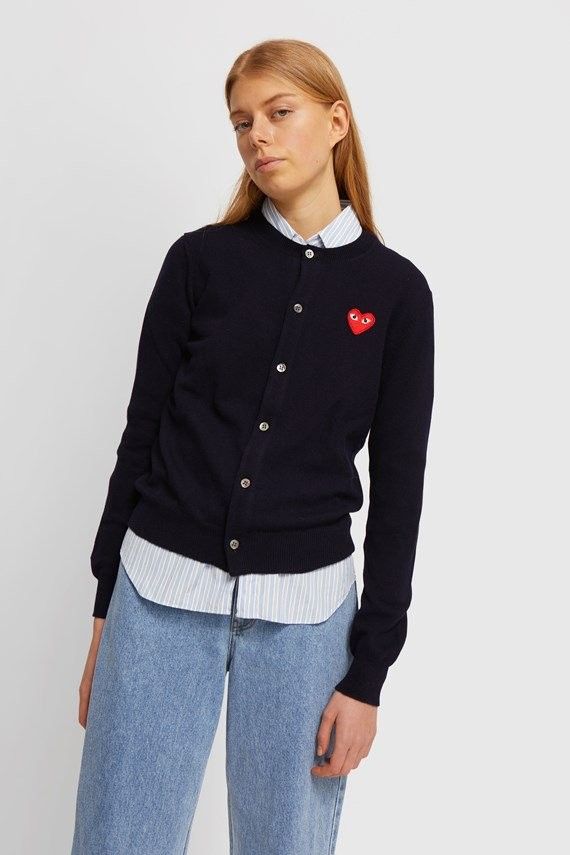
Comme des Garcons stands as one of the most influential fashion brands in the world. Founded by Rei Kawakubo in Tokyo in 1969 the label quickly grew from a small Japanese design studio into a global fashion powerhouse. Known for its unconventional silhouettes dark palettes and experimental tailoring Comme des Garcons has consistently challenged the norms of luxury fashion. From Paris runways to street style in London and New York the brand has shaped conversations around identity art and clothing for more than five decades.
The Vision of Rei Kawakubo
At the heart of Comme des Garcons is Rei Kawakubo a designer celebrated for her fearless approach to creativity. When she presented her first Paris collection in 1981 critics were shocked by the distressed fabrics asymmetrical cuts and monochrome looks. The press even described the collection as post atomic fashion. Instead of following traditional standards of beauty Kawakubo embraced imperfection asymmetry and deconstruction.
Her design philosophy rejects predictable glamour and instead focuses on emotion structure and intellectual depth. Comme des Garcons collections often blur the line between fashion and art which is why the brand continues to attract stylists collectors and cultural critics from around the globe.
Comme des Garcons and the Paris Fashion Scene
The move from Tokyo to Paris marked a turning point for Comme des Garcons. Showing in Paris positioned the brand alongside established luxury houses and introduced its avant garde aesthetic to an international audience. While many designers relied on seasonal trends Comme des Garcons presented bold concepts that reshaped expectations of what clothing could represent.
Over time the brand became a respected force within Paris Fashion Week. Critics began to appreciate the conceptual storytelling behind each runway show. Comme des Garcons was no longer seen as controversial but visionary.
Signature Aesthetic and Design Language
CDG Hoodie is widely recognized for its distinctive design codes. These include oversized silhouettes raw edges unexpected fabric combinations and sculptural forms. Black has often dominated collections though the brand also experiments with striking reds graphic prints and playful polka dots.
The concept of deconstruction is central to Comme des Garcons. Garments may appear unfinished inside out or intentionally distressed. This approach questions the traditional idea of perfection in luxury fashion. Instead of hiding seams or structure the brand highlights them turning construction details into visual statements.
The Rise of Comme des Garcons PLAY
While the main runway collections are highly conceptual Comme des Garcons also introduced accessible lines. One of the most popular is PLAY known for its iconic heart logo designed by Polish artist Filip Pagowski. The simple heart with eyes has become a recognizable symbol in global streetwear culture.
Comme des Garcons PLAY offers t shirts hoodies and knitwear that maintain a minimal aesthetic while appealing to a wider audience. The collaboration between Comme des Garcons PLAY and Converse further expanded the brand presence in youth culture. The heart logo sneakers remain bestsellers worldwide demonstrating how the label balances artistic vision with commercial appeal.
Retail Innovation and Dover Street Market
Comme des Garcons has also redefined retail experiences. In 2004 the brand launched Dover Street Market in London. Rather than a standard luxury boutique the space functions as a curated fashion environment bringing together emerging designers established labels and art installations.
Dover Street Market locations in cities like Tokyo New York and Los Angeles reflect the same philosophy of creativity without limits. The retail concept mirrors the Comme des Garcons identity blending fashion culture and experimental design under one roof.
Collaborations and Cultural Impact
Comme des Garcons is known for unexpected collaborations. The brand has partnered with Nike Supreme Louis Vuitton and many other labels. Each collaboration maintains the unique Comme des Garcons edge while introducing fresh audiences to the brand.
Beyond clothing the influence of Comme des Garcons extends into art music and contemporary culture. Musicians artists and fashion editors frequently reference Rei Kawakubo as a source of inspiration. The Costume Institute at the Metropolitan Museum of Art honored her work with a major exhibition in 2017 recognizing her as one of the most important designers of the modern era.
Global Expansion and Market Presence
From its origins in Japan Comme des Garcons now operates boutiques across Asia Europe and North America. Cities such as Paris London Seoul and Hong Kong host flagship stores that showcase the full range of collections. Despite its global reach the brand maintains a sense of independence and creative control.
Unlike many luxury houses that rely heavily on marketing campaigns Comme des Garcons depends on word of mouth runway impact and cultural credibility. This strategy has helped the label maintain authenticity in a competitive market.
Comme des Garcons in Street Style and Youth Culture
Over the past decade Comme des Garcons has gained strong visibility in street fashion communities. The PLAY line in particular has become a staple among students creatives and influencers. The recognizable heart logo often appears in social media posts fashion blogs and style editorials.
The blend of avant garde roots and casual basics allows Comme des Garcons to connect with different generations. Longtime collectors appreciate the experimental runway pieces while younger consumers gravitate toward graphic tees sneakers and hoodies. This cross generational appeal strengthens the brands long term relevance.
Sustainability and Ethical Considerations
Although Comme des Garcons does not position itself as a sustainability focused brand the emphasis on craftsmanship and longevity aligns with slow fashion values. Many pieces are constructed with high quality materials designed to last for years.
The brand avoids mass overproduction and seasonal hype cycles which reduces waste compared to fast fashion companies. Customers often treat Comme des Garcons garments as collectible items preserving them as part of personal archives.
Why Comme des Garcons Continues to Lead
The enduring success of Comme des Garcons lies in its commitment to originality. Rei Kawakubo has never compromised her creative vision to fit mainstream expectations. Each collection invites conversation debate and reflection.
In an industry often driven by trends Comme des Garcons operates on its own timeline. This independence gives the brand cultural authority. Designers from emerging labels frequently cite Kawakubo as an influence proving that her impact extends far beyond her own collections.
Conclusion
Comme des Garcons remains a defining force in global fashion. From groundbreaking Paris runway shows to the widespread popularity of Comme des Garcons PLAY the brand demonstrates how creativity and authenticity can shape lasting success.





Leave a Reply