
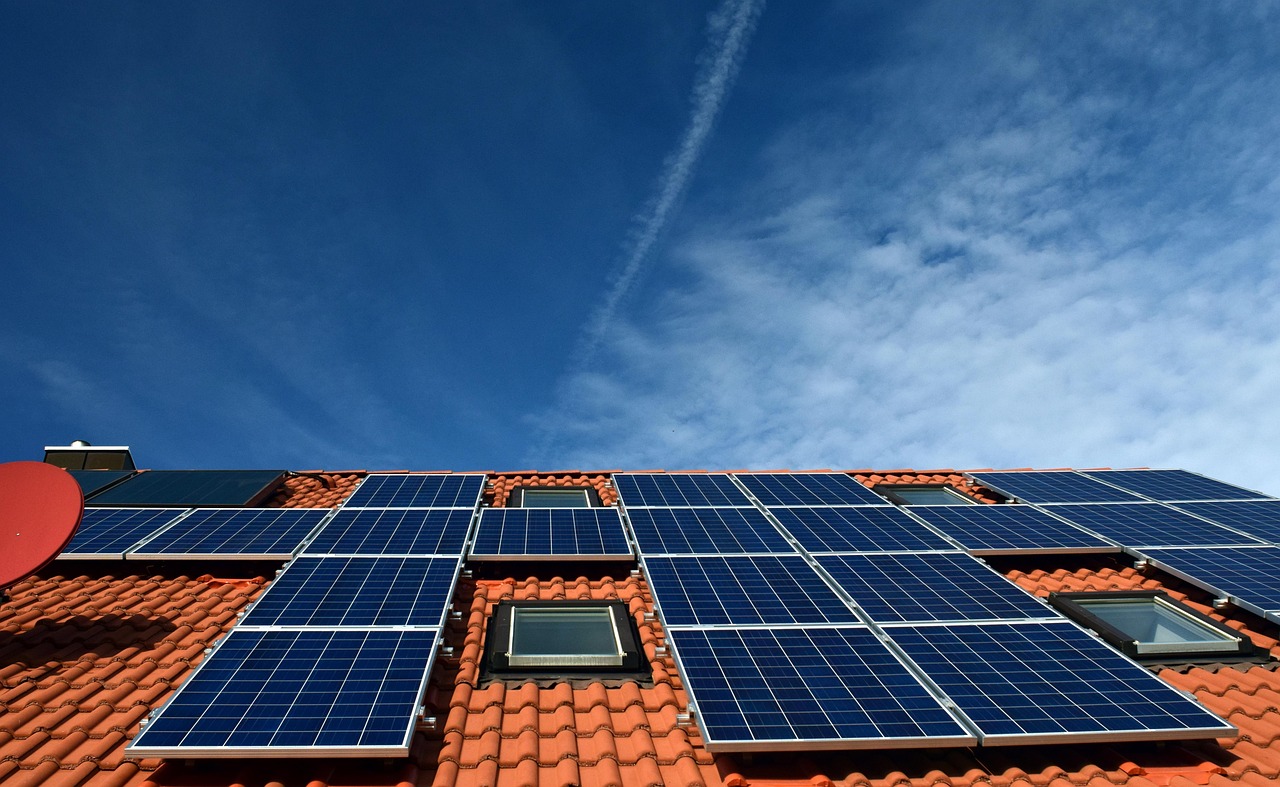
You can turn building surfaces into power generators without sacrificing design. Solar BIPV replaces conventional roofs, façades, or glazing with photovoltaic materials that both form part of the building envelope and produce electricity, letting you integrate clean energy directly into the structure of your project.
Expect practical guidance on how BIPV systems differ from typical rooftop solar, what product types and installation considerations matter, and where BIPV delivers the most value—roofing, façades, skylights, and shading devices. This article walks you through the technical trade-offs, real-world applications, and the benefits that make BIPV an option worth evaluating for your next build or retrofit.
Key Aspects of Solar BIPV
Solar BIPV replaces conventional building materials with photovoltaic elements so your building envelope both performs structurally and generates electricity. Focus areas include the specific product types, how they connect to electrical systems, and the design choices that affect energy yield, aesthetics, and cost.
What Is Solar BIPV
Solar BIPV (building-integrated photovoltaics) embeds photovoltaic cells into parts of the building envelope—roofs, facades, canopies, and glazing—so the PV element serves a construction function as well as power generation. You get electrical output measured in kilowatt-hours while the component also provides weatherproofing, insulation, shading, or daylighting.
Key performance metrics you should watch are module efficiency, visible light transmittance (for glazing), thermal behavior, and expected annual energy production given orientation and tilt. Regulatory roles matter too: BIPV can satisfy building code requirements for cladding or roofing, which influences permitting and incentives.
Types of BIPV Technologies
You can choose from several product families depending on function and appearance:
- BIPV Roofing: Shingles, tiles, or standing-seam-like modules that replace roof covering. Good for pitched roofs; typical outputs range with module efficiency and roof area.
- BIPV Façade Panels: Flat or ventilated cladding panels integrated into curtain walls or rainscreens. They support vertical generation and often pair with thin-film or crystalline modules.
- BIPV Glazing: Semi-transparent or opaque photovoltaic glass for windows, skylights, and atria. Balances daylighting and solar gain; key specs include solar heat gain coefficient and visible transmittance.
- Specialty Applications: Canopies, balustrades, solar shading devices, and prefabricated modules for retrofit.
Compare trade-offs: crystalline silicon gives higher efficiency; thin-film offers flexibility and better aesthetics for curved surfaces. Cost, weight, fire rating, and maintenance access will drive your selection.
Integration with Building Design
Integrating BIPV requires early coordination among architect, structural engineer, and MEP designer to align load-bearing details, module orientation, and electrical routing. You must plan for mounting and flashings, ventilation gaps behind façade modules, and access for cleaning and replacement.
Electrical integration includes DC string or microinverter topology, inverter siting, and connection to building distribution or the grid. Consider thermal effects—modules can raise roof surface temperature and affect HVAC loads—so model combined energy performance. Finally, factor in lifecycle costs: initial capital, expected generation, replacement cycles, and available incentives to assess payback and return on investment.
Benefits and Applications
BIPV cuts your building’s net energy use while replacing conventional materials, adds design flexibility that preserves facade and roof aesthetics, and fits a range of project types from homes to commercial towers.
Energy Efficiency Improvements
BIPV reduces your grid electricity consumption by generating on‑site power where building envelope surfaces receive sunlight. Roof-integrated panels typically deliver the highest yields, while south- or west-facing façades and sloped glazing provide meaningful supplemental generation in urban settings.
You save on HVAC loads when semi-transparent or insulated BIPV glazing reduces solar heat gain and improves envelope U‑values. That lowers peak cooling demand and can reduce required mechanical capacity.
Metered installations often show faster payback because BIPV serves dual roles: it replaces cladding or roofing materials you would already buy and produces electricity that offsets retail rates. Integrating in early design captures the most energy and cost benefit.
Aesthetic Advantages
You can match BIPV to your building’s visual intent—available as flush roof tiles, colored or patterned façade modules, and frameless glazing. This lets you maintain continuous skin lines without bulky racks or visible rails.
Semi-transparent modules preserve daylight and sightlines in atria or canopies while still producing power, letting you balance light quality with energy capture.
Architectural integration also protects value: owners avoid retrofitting visible panels later and preserve façade details, which matters for historic districts or high-design projects where appearance influences permits and marketability.
Common Use Cases
Residential: You install BIPV roof tiles or solar shingles to replace asphalt or tile roofing while producing most daytime household electricity. This suits re-roofs and new builds where aesthetics matter.
Commercial and institutional: Curtain wall or cladding-integrated BIPV supplies part of building loads, reduces façade material costs, and can contribute to green building certifications. Schools and hospitals use BIPV glazing to bring daylight into occupied spaces while offsetting energy bills.
Specialty applications: Carports, pergolas, and noise barriers use BIPV to add generation without consuming extra land. Transit shelters and skylights take advantage of semi-transparent modules to combine shelter, light, and power.






Leave a Reply