
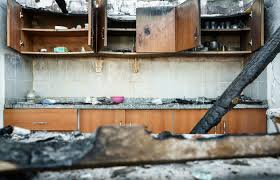
Sewage damage is one of the worst problems a property owner can face. It creates a terrible smell, spreads dangerous bacteria, and causes serious damage to your home or business. When sewage backs up into your property, you must act fast.
If you are searching for sewage damage cleanup, you need clear information and simple steps. In this guide, you will learn what sewage damage is, why it is dangerous, how professionals clean it up, and how you can protect your property in the future.
What Is Sewage Damage?
Sewage damage happens when dirty wastewater flows back into your home or building. This water comes from toilets, sinks, showers, floor drains, sewer lines, or septic systems.
Professionals call this type of water black water. Black water contains harmful contaminants that can make people sick. Unlike clean water from a broken pipe, sewage water carries bacteria, viruses, and other dangerous materials.
You should never treat sewage water like normal water. It requires professional cleanup.
Common Causes of Sewage Backups
Sewage backups can happen suddenly. Many different problems can cause them.
1. Clogged Sewer Lines
Many backups happen because something blocks the sewer line. People often flush items that do not break down easily, such as:
-
Baby wipes
-
Paper towels
-
Feminine hygiene products
-
Grease
-
Food waste
These items can block pipes and force wastewater to flow back into the building.
2. Tree Root Damage
Tree roots grow toward water sources. If they find small cracks in sewer pipes, they can grow inside the pipes. Over time, roots block or break the pipes and cause backups.
3. Heavy Rain and Flooding
During heavy storms, city sewer systems can become overloaded. When the system cannot handle the extra water, sewage can back up into homes and businesses.
4. Broken or Old Pipes
Older sewer pipes can crack, collapse, or corrode. When pipes break, wastewater cannot flow properly. This often leads to sewage backups.
5. Septic System Failure
If you use a septic system, poor maintenance can cause overflow. A full or damaged septic tank can push sewage back into the house.
No matter the cause, sewage backups require immediate attention.
Why Sewage Damage Is So Dangerous
Sewage water contains harmful substances that can affect your health and your property.
Health Risks
Sewage water may contain:
-
Bacteria
-
Viruses
-
Parasites
-
Mold spores
-
Harmful chemicals
Exposure can cause:
-
Stomach illness
-
Diarrhea
-
Skin infections
-
Breathing problems
-
Allergic reactions
Children, elderly people, and those with weak immune systems face higher risk.
Property Damage
Sewage water damages materials quickly. It soaks into:
-
Carpet
-
Carpet padding
-
Drywall
-
Insulation
-
Wood flooring
-
Furniture
Most porous materials cannot be fully cleaned after sewage exposure. In many cases, professionals must remove and replace them.
What To Do Immediately After a Sewage Backup
If sewage backs up into your property, take these steps right away.
1. Stay Away From the Area
Keep children and pets away. Do not touch the contaminated water.
2. Turn Off Electricity (If Safe)
If water reaches outlets or electrical appliances, shut off power to prevent electric shock. Only do this if you can do it safely.
3. Stop Using Water
Do not flush toilets or run sinks until a plumber fixes the problem. Using more water can make the backup worse.
4. Call Professionals
Contact a professional sewage damage cleanup company immediately. Do not try to handle large sewage problems yourself.
Fast action reduces damage and protects your health.
The Professional Sewage Damage Cleanup Process
Professional cleanup teams follow strict safety steps. They use special tools and protective equipment.
Step 1: Inspection and Safety Check
The cleanup team first inspects the property. They find:
-
The source of the backup
-
How far the sewage spread
-
Which materials are damaged
They wear gloves, boots, masks, and protective suits to stay safe.
Step 2: Containment
Professionals block off the contaminated area. They use plastic barriers and air filtration machines to stop bacteria from spreading to other rooms.
Step 3: Sewage Removal
The team uses powerful pumps and vacuums to remove standing sewage water quickly. Fast removal limits further damage.
Step 4: Removal of Contaminated Materials
Sewage water ruins many materials. Professionals often remove:
-
Carpet and padding
-
Drywall
-
Insulation
-
Upholstered furniture
-
Ceiling tiles
They safely dispose of these materials according to health regulations.
Step 5: Deep Cleaning and Disinfection
After removing contaminated materials, the team cleans all surfaces. They use:
-
Hospital-grade disinfectants
-
Antibacterial cleaners
-
Antimicrobial treatments
This step kills bacteria and reduces odors.
Step 6: Drying and Dehumidification
Even after cleanup, moisture can remain inside walls and floors. Professionals use:
-
Air movers
-
Dehumidifiers
-
Moisture meters
They monitor moisture levels daily to ensure complete drying. Proper drying prevents mold growth.
Step 7: Repairs and Restoration
Once the area is clean and dry, repairs begin. Restoration may include:
-
Installing new drywall
-
Replacing flooring
-
Painting walls
-
Rebuilding damaged sections
The goal is to return the property to its safe and original condition.
Why You Should Not Clean Sewage Yoursel
Some homeowners try to clean small sewage backups on their own. This can be risky.
Without proper equipment, you may:
-
Spread bacteria to other areas
-
Miss hidden contamination
-
Create mold problems
-
Risk serious illness
Professionals use special tools and follow safety guidelines. They know how to remove contamination fully and safely.
How Long Does Sewage Damage Cleanup Take?
Cleanup time depends on the size of the affected area.
-
A small bathroom backup may take several days.
-
Larger contamination may take one to two weeks or more.
Severe structural damage may require additional repair time.
Acting quickly shortens the restoration process.
Does Insurance Cover Sewage Damage?
Insurance coverage depends on your policy.
Some homeowner policies cover sudden sewer backups. Others require special sewer backup coverage. Damage caused by poor maintenance may not be covered.
After sewage damage happens:
-
Take clear photos of the damage.
-
Contact your insurance company immediately.
-
Call a professional sewage damage cleanup company.
Many cleanup companies help with insurance paperwork and documentation.
Warning Signs of Sewer Problems
You may notice warning signs before a full backup happens.
Watch for:
-
Slow drains
-
Gurgling sounds in toilets
-
Water backing up in sinks or tubs
-
Foul smells from drains
-
Multiple clogged fixtures at the same time
If you notice these signs, call a plumber quickly to prevent a major backup.
How to Prevent Sewage Backups
You can reduce your risk with simple steps.
Do Not Flush Improper Items
Only flush toilet paper. Do not flush wipes, paper towels, or hygiene products.
Avoid Pouring Grease Down Drains
Grease hardens inside pipes and causes blockages.
Schedule Regular Sewer Inspections
Professional inspections can find cracks or blockages early.
Install a Backwater Valve
A backwater valve prevents sewage from flowing back into your home during heavy rain.
Maintain Your Septic System
If you use a septic tank, schedule regular pumping and inspections.
Trim Trees Near Sewer Lines
Tree roots often damage underground pipes.
Preventive maintenance costs far less than major sewage cleanup.
The Emotional Impact of Sewage Damage
Sewage damage does not only affect your property. It also causes stress and frustration. The smell, mess, and health risks can feel overwhelming.
Professional cleanup teams understand this stress. They work quickly and carefully to restore safety and peace of mind.
Final Thoughts
Sewage backups create serious health risks and property damage. Sewage water contains harmful bacteria and contaminants that require professional treatment.
If you face this problem, act immediately. Keep your family safe, avoid contact with contaminated water, and call professionals right away.
Professional sewage damage cleanup services remove contaminated water, disinfect affected areas, dry the property fully, and restore your home or business safely.



Leave a Reply