
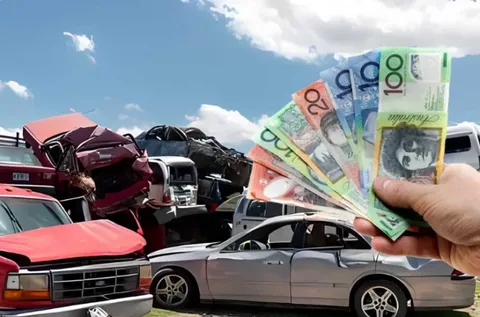
Many vehicles reach a stage where repairs cost more than the car itself. Engines fail, parts wear out, and age begins to show in many ways. In a city such as Brisbane, thousands of old cars, damaged vehicles, and unused automobiles remain parked in garages, yards, and parking spaces. These vehicles may appear useless, yet they still hold material and recycling worth.
Across Australia, vehicle recycling has become an important part of waste management and environmental care. Scrap vehicles contain metals, plastics, glass, and other materials that can return to production. Because of this, many residents choose to turn old vehicles into money instead of leaving them unused.
This article explains how people in Brisbane convert scrap vehicles into cash, why the process has grown in recent years, and what happens after a car enters the recycling system.
Understanding Scrap Vehicles
A scrap vehicle is a car that no longer serves regular road use. Some vehicles stop working due to engine damage. Others suffer from accidents, rust, or electrical faults. Many older vehicles also reach a point where repair costs become too high.
These vehicles may include:
-
Cars with engine failure
-
Vehicles damaged in accidents
-
Flood affected cars
-
Old vehicles with major rust
-
Cars that fail roadworthy inspection
Even though these cars cannot return to daily driving, their parts and materials remain useful.
In Australia, millions of vehicles reach the end of their life cycle each year. According to national recycling reports, around 500,000 vehicles enter the recycling chain every year in Australia. This large number shows how common vehicle disposal has become.
Why Scrap Cars Still Have Material Worth
Many people think a broken car has no worth. This idea is not correct. A typical vehicle contains several materials that recycling facilities process and reuse.
Some common materials found in scrap vehicles include:
-
Steel and iron
-
Aluminium
-
Copper wiring
-
Rubber from tyres
-
Plastic interior parts
-
Glass from windows and windscreens
Steel makes up nearly 65 to 70 percent of a standard passenger car. Steel recycling plays a large role in the scrap vehicle industry. Recycled steel returns to manufacturing plants where it becomes part of new vehicles, buildings, and machinery.
Because these materials have industrial demand, scrap vehicles still carry financial worth.
The Growth of Vehicle Recycling in Brisbane
Vehicle recycling has grown steadily across Brisbane during the last two decades. Population growth, rising car ownership, and stricter environmental rules have played a part in this change.
Many vehicles remain on the road for ten to fifteen years before reaching their final stage. When repair costs increase, owners begin searching for other ways to remove the vehicle.
Local recycling yards and vehicle dismantling centres now handle large numbers of scrap vehicles each year. These businesses remove usable parts, sort materials, and send scrap metal to processing plants.
Queensland waste reports show that metal recycling forms one of the largest sections of the recycling industry in the state. Vehicles contribute a large share of this recycled metal.
How Brisbane Residents Turn Scrap Vehicles Into Money
The process of converting a scrap car into money usually follows several clear steps.
1. Vehicle Assessment
The first step involves checking the vehicle condition. Buyers usually examine:
-
Vehicle model and year
-
Damage level
-
Missing parts
-
Engine condition
-
Weight of scrap metal
Older vehicles may still contain useful parts such as alternators, radiators, gearboxes, and catalytic converters.
2. Metal Weight Evaluation
Scrap vehicles carry a metal weight that affects their payment amount. A typical passenger car weighs between 1,200 and 1,800 kilograms. Much of this weight comes from steel and metal components.
Recycling centres calculate the approximate scrap metal quantity during evaluation.
3. Parts Recovery
Many scrap vehicles contain parts that still function. Dismantling teams remove these items before crushing the car body.
Recovered parts may include:
- Engines
- Transmissions
- Starter motors
- Headlights
- Mirrors
- Wheels
These parts may return to the second hand auto market.
4. Recycling and Processing
After useful parts leave the vehicle, the remaining metal shell moves to a crushing facility. Large machines flatten the vehicle body. The metal then travels to shredders where it breaks into smaller pieces.
Magnetic separation systems sort steel from other metals. Aluminium, copper, and other materials follow separate recycling paths.
This system allows large amounts of vehicle material to return to manufacturing.
Environmental Impact of Vehicle Recycling
Vehicle recycling helps reduce waste and conserve natural resources. Mining raw metals requires large energy consumption. Recycling existing metals lowers this demand.
For example:
-
Recycling steel saves around 60 to 74 percent of energy compared to producing steel from raw ore.
-
Recycling aluminium saves nearly 90 percent of the energy used during primary production.
Scrap vehicle recycling also prevents fluids such as engine oil, brake fluid, and coolant from entering soil or water systems. Before dismantling begins, recycling facilities remove these liquids and store them safely.
Because of these environmental outcomes, vehicle recycling plays a strong role in modern waste management.
Land Use and Urban Space
Unused vehicles often sit in driveways, garages, and outdoor spaces for long periods. In growing cities such as Brisbane, space becomes more valuable over time.
Old vehicles can create visual clutter and sometimes become a safety concern. Rusted metal, broken glass, and leaking fluids may cause problems in residential areas.
Turning scrap vehicles into cash removes these unused cars and frees space for other uses.
Local Vehicle Ownership Trends
Australia remains one of the countries with high vehicle ownership levels. National transport statistics show that more than 20 million registered vehicles operate across the country.
In Queensland alone, millions of passenger vehicles remain registered every year. As these vehicles age, many eventually move toward the recycling stage.
This steady flow keeps the scrap vehicle market active.
A Practical Option for Old Vehicles
Many residents discover that a damaged car still carries metal and parts worth. Because of this, scrap car buyers play an important role in the disposal system.
One example is the service sell car for cash brisbane provided by , where vehicle owners can transfer unwanted cars to buyers who handle dismantling and recycling. This type of service connects car owners with the recycling chain. The vehicle moves from a private driveway into a dismantling yard where usable components and metals return to production systems. Through this approach, vehicles that once sat unused begin a new stage in the recycling cycle.
What Happens After a Scrap Car Leaves the Owner
Many people wonder what happens after a scrap vehicle leaves their property. The vehicle usually passes through several stages.
Fluid Removal
Technicians remove fuel, oil, brake fluid, and coolant from the vehicle. These liquids enter sealed containers for safe disposal or treatment.
Dismantling
Reusable parts leave the vehicle. Mechanics test these components before placing them into storage or resale channels.
Metal Processing
The remaining body shell enters a crushing machine. The flattened metal then moves to shredders and separation systems.
Raw Material Production
Recycled metals travel to steel mills and metal plants where they melt and become raw material for new products.
Because of this process, an old vehicle may return to life in the form of building materials, machinery, or new automotive parts.
Economic Activity from Scrap Vehicles
Scrap vehicle recycling also supports employment and industrial activity. The industry involves several roles:
- Vehicle collection operators
- Dismantling technicians
- Scrap metal processors
- Transport workers
- Recycling plant operators
Metal recovered from scrap vehicles supports manufacturing industries across Australia and international markets.
This cycle shows how an old vehicle continues to play a part in the economy even after its driving years end.
Read More: https://getcashforcarz.com.au/
Conclusion
Scrap vehicles may appear useless at first glance, yet they still contain large amounts of metal and reusable components. In Brisbane, many residents now recognise that old vehicles can move into the recycling chain instead of remaining parked and unused.
Through vehicle assessment, parts removal, and metal recycling, these cars turn into raw materials that support manufacturing and environmental protection. The recycling process also clears space and reduces waste.
As vehicle ownership continues to grow across Australia, scrap vehicle recycling will remain an important system. It allows ageing cars to leave the road while their materials return to productive use. In this way, a vehicle that once reached the end of its driving life begins a new role in the industrial cycle.



Leave a Reply