
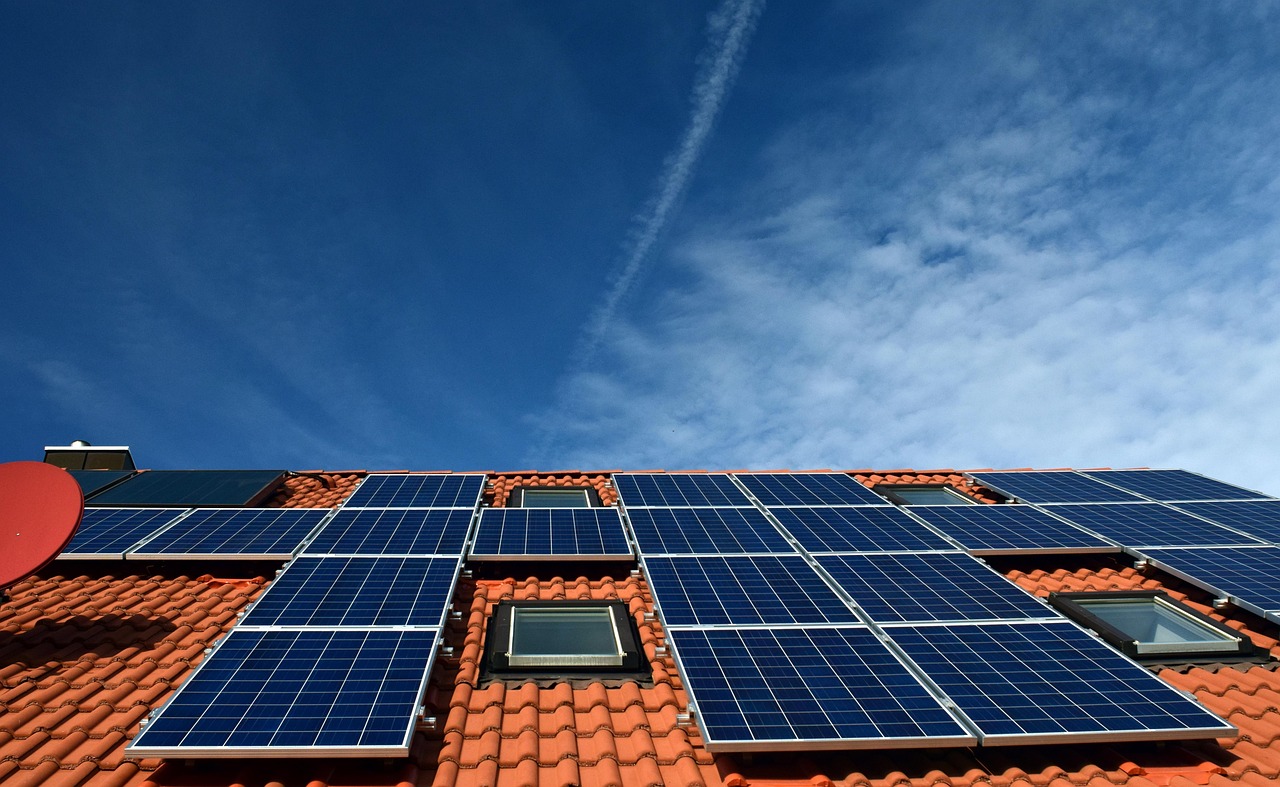
You can turn windows, facades, and skylights into active power generators without sacrificing design. Photovoltaic glass integrates thin-film or embedded solar cells into building glass so you capture electricity from sunlight while maintaining transparency or aesthetic finishes.
As you explore how this technology works and where it fits, you’ll see practical trade-offs—efficiency, light transmission, cost, and installation details—that determine whether PV glass suits a project. Expect clear explanations of the technology, real-world uses for roofs and facades, and the advantages that make PV glass a compelling option for sustainable building upgrades.
Understanding Photovoltaic Glass
Photovoltaic glasses turns parts of your building envelope into electricity-producing surfaces while retaining transparency, light transmission, and weather protection. You’ll learn how it converts light, the main product types you’ll encounter, and the materials and cell technologies that determine performance and appearance.
How Photovoltaic Glass Works
Photovoltaic glass generates electricity by embedding photovoltaic cells or coatings into one or more glass layers. When sunlight strikes the active material, photons free electrons, creating a current collected via thin metal conductors and routed to inverters or DC wiring.
You’ll see two common optical behaviors: opaque, where dense cells block most visible light and maximize output; and semi-transparent, where spaced or thin cells let daylight pass while producing power. Integration methods include sandwiching cells between glass panes (laminated IGU style) or depositing thin-film absorbers directly onto glass.
Electrical output depends on incident irradiance, cell efficiency, glass area, and angle of incidence. Thermal management and encapsulation affect long-term reliability, so manufacturers use tempered or laminated safety glass and edge seals to protect cells from moisture and mechanical stress.
Types of Photovoltaic Glass
You’ll choose among three main commercial types: crystalline-silicon laminated glass, thin-film coated glass, and BIPV (building-integrated PV) modules customized for facades or skylights. Crystalline-silicon laminated glass uses discrete silicon cells sealed between two glass panes; it gives higher efficiency but reduced transparency.
Thin-film options—amorphous silicon, CIGS, or perovskite coatings—can be applied directly to glass for semi-transparency and color tuning. They trade lower peak efficiency for flexible aesthetics and better low-light performance.
BIPV glass comes as standard-sized IGUs or bespoke curtain-wall panels. You’ll compare metrics such as W/m2 (power density), visible light transmittance (VLT), and U-value to match energy goals with daylighting and thermal performance requirements.
Key Materials and Technologies
The active materials determine efficiency, appearance, and durability. Crystalline silicon cells (mono- or polycrystalline) deliver 15–22% cell efficiencies in laminated glass and require busbars and interconnect ribbons. Thin films—amorphous silicon, CIGS, and cadmium telluride—offer varied bandgaps for color control and semi-transparency.
Encapsulation uses EVA or ionomer films between glass panes to bond and protect cells; low-iron tempered glass maximizes light transmission. Transparent conductive oxides (TCOs) like ITO or fluorine-doped tin oxide serve as front contacts for thin films.
You’ll also encounter innovations: transparent luminescent solar concentrators, selective coatings that balance VLT and infrared rejection, and perovskite-on-glass prototypes that promise higher transparency with improving stability. Consider lifecycle factors—UV stability, moisture ingress, and thermal cycling—when specifying materials for long-term field performance.
Applications and Advantages
Photovoltaic glass turns vertical and horizontal glazing into active power generators while preserving daylight and views. It lowers building energy bills, integrates with façades and roofs, and reduces lifecycle carbon compared with conventional materials.
Building Integration and Architectural Uses
You can replace conventional windows, curtain walls, skylights, and canopies with photovoltaic glass to generate electricity without sacrificing transparency or design intent. Manufacturers offer transparent, semi-transparent, and opaque PV glazing options that suit different daylighting and privacy needs.
Use cases include office curtain walls that supply part of a building’s daytime load, atrium skylights that reduce HVAC peaks, and bus shelters or noise barriers that power lighting and signage.
Integration requires coordination: electrical routing, inverter placement, shading analysis, and code-compliant egress and fire performance. You should also consider U-value and solar heat gain coefficient (SHGC) trade-offs when replacing insulating glass units.
Energy Efficiency Benefits
Photovoltaic glass offsets onsite electricity consumption by converting incident solar irradiance into DC power that feeds inverters and building electrical systems. Typical yields vary by glass transparency, tilt, and local insolation; semi-transparent units often produce 30–60% of the per-area energy of opaque modules while admitting useful daylight.
By generating power at the façade, you reduce transmission losses and can lower peak grid demand during sunny hours. PV glazing can also improve comfort and reduce artificial lighting hours when combined with daylight controls and optimized SHGC.
Performance modeling and maintenance planning (cleaning, monitoring) help maximize lifetime energy yield and return on investment.
Environmental Impact
You directly reduce operational carbon by substituting grid electricity with onsite solar generation, especially where the grid is carbon-intensive. Life-cycle assessments show photovoltaic glazing can lower cradle-to-grave emissions compared with separate glass plus rooftop PV when manufacturing and transportation are optimized.
Material choices matter: thin-film and crystalline technologies have different embodied-energy and end-of-life recycling profiles. You should plan for recyclability and responsible disposal to avoid shifting environmental burdens.
Implementing PV glass in urban projects also cuts urban heat contribution when replacing darker cladding and supports distributed generation goals that enhance local energy resilience.






Leave a Reply