
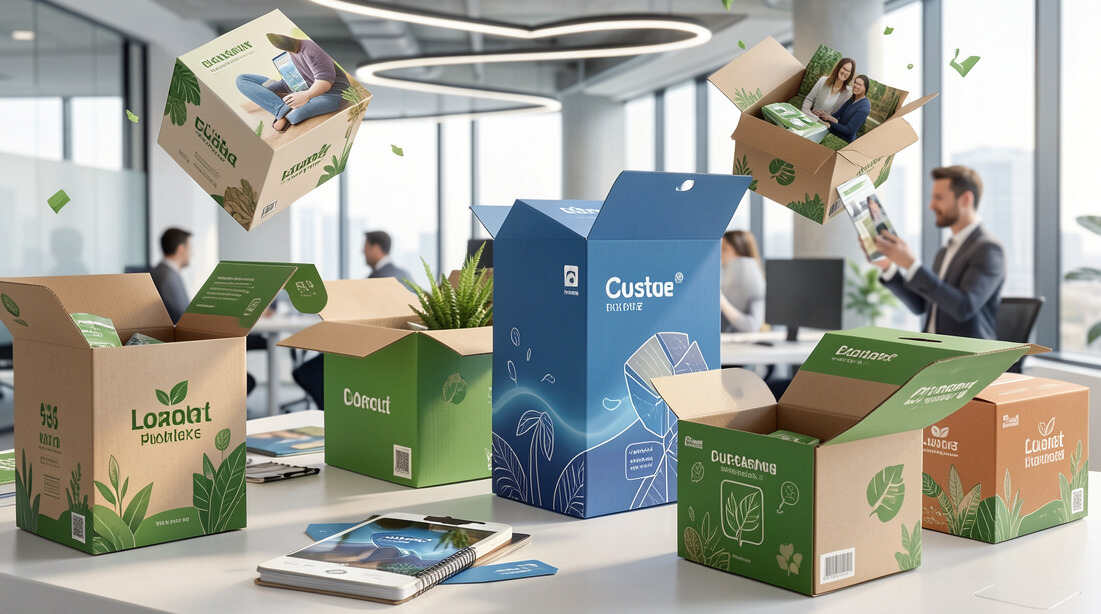
Packaging is no longer merely a functional necessity; it has evolved into a critical aspect of modern business strategy. In today’s competitive landscape, how a product is packaged can influence customer perception, protect the integrity of the item, and contribute to brand identity. Effective packaging bridges the gap between functionality and marketing, creating a unique experience for consumers while addressing operational needs.
The city of Austin, Texas, has witnessed a surge in entrepreneurship, startups, and growing businesses. As a result, professional packaging services have become increasingly vital. Local companies provide a range of packaging solutions designed to meet diverse needs, from protecting fragile products to enhancing visual appeal and sustainability.
In many industries, businesses recognize that packaging serves as a silent salesperson. Products that arrive safely, look appealing, and convey a brand’s message effectively are more likely to encourage repeat purchases. Moreover, packaging decisions impact the efficiency of storage, shipping, and overall operational costs.
Why Professional Packaging Services Matter
The value of professional packaging extends beyond mere presentation. Businesses benefit from custom solutions that align with their branding and operational goals. Standard packaging often falls short in protecting products during shipping or creating a memorable customer experience. Investing in professional packaging solutions ensures that products are secure and appealing, reflecting the quality of the brand itself.
Durability is a key factor. Products undergo extensive handling, from manufacturing facilities to warehouses and delivery trucks. Packaging designed to withstand these processes reduces the likelihood of damage and returns, ultimately saving companies both money and reputation.
Branding is another crucial aspect. Packaging conveys a brand’s identity and message. Well-crafted designs can highlight product features, reflect company values, and create a cohesive visual identity. A carefully considered packaging strategy signals professionalism, attention to detail, and customer focus.
Efficiency also drives the need for professional packaging. Streamlined designs and materials reduce storage space requirements, optimize shipping processes, and lower material costs. Companies that integrate efficiency with design achieve a competitive advantage while minimizing waste.
How Packaging Shapes Brand Identity and Customer Perception
Packaging is one of the first points of physical interaction between a product and its customer. Its design influences perception and can strengthen the emotional connection between a consumer and the brand. Businesses that prioritize thoughtful packaging often enjoy increased loyalty and higher customer satisfaction.
Visual elements, such as color schemes, typography, and logos, play a significant role in shaping perception. For instance, a minimalist design might convey sophistication and premium quality, while bright and bold visuals may communicate energy and innovation. Packaging design choices must align with the target audience to maximize impact.
Unboxing experiences have grown in significance due to social media trends. Many customers share product openings online, turning packaging into a marketing tool. Memorable unboxing can transform a simple delivery into a shareable brand experience, amplifying visibility and reinforcing customer satisfaction.
Informational design is equally important. Labels and packaging often provide instructions, safety guidelines, and product benefits. Clear, well-structured information ensures consumers feel confident in their purchase decisions and enhances trust in the brand.
Embracing Sustainable and Eco-Friendly Packaging
Environmental concerns are influencing packaging choices across industries. Companies are increasingly adopting sustainable solutions that reduce waste, minimize environmental impact, and meet consumer expectations. Eco-conscious packaging includes recyclable materials, biodegradable options, and designs that eliminate unnecessary packaging layers.
Sustainable practices not only appeal to environmentally aware consumers but also reflect a company’s values. Customers are more likely to support brands that demonstrate responsibility toward the planet. Businesses in Austin have access to suppliers who specialize in environmentally friendly materials without compromising quality or durability.
Common sustainable packaging strategies include:
• Using recyclable cardboard, paper, or corrugated materials
• Reducing excess packaging layers to minimize waste
• Choosing biodegradable plastics or plant-based alternatives
• Designing compact packaging to reduce shipping volume and emissions
By integrating eco-friendly practices, companies can simultaneously protect the environment and strengthen their brand image, all while controlling production costs.
The Role of Design in Effective Packaging
Design is critical to packaging effectiveness. It goes beyond aesthetics, influencing product visibility, consumer appeal, and marketing outcomes. Good design balances creativity with functionality, ensuring products are both attractive and safe.
Premium products often employ high-quality materials and sophisticated design elements to signal luxury and exclusivity. Everyday products may focus more on practicality, ease of use, and durability. Designers must carefully evaluate the needs of the market segment they are targeting.
Collaboration between marketing and design teams ensures packaging supports brand identity consistently. Design choices reinforce advertising campaigns, online presence, and in-store display strategies. Additionally, packaging conveys critical product information that helps consumers make informed decisions.
Advancements in printing technologies have enabled high-resolution graphics, vibrant color options, and customized packaging solutions. Digital printing, for example, allows businesses to produce smaller batches of unique designs, making it easier to test new concepts or launch limited editions.
Technological Innovations in Modern Packaging
Technology continues to reshape the packaging landscape. Modern solutions incorporate advanced materials, digital design capabilities, and innovative features that enhance both protection and presentation.
Smart packaging has emerged as a new trend. QR codes, NFC chips, and other interactive elements allow customers to access product details, track shipments, or engage with the brand digitally. These innovations add value and improve the overall consumer experience.
Protective packaging has also benefited from technological advancements. Shock-absorbing materials, moisture-resistant solutions, and structurally reinforced boxes help products withstand complex supply chains while maintaining integrity.
Automation has increased efficiency in packaging production, allowing for faster turnaround times, higher precision, and consistent quality across large production volumes. Such technological integration ensures businesses can meet growing demand without sacrificing standards.
Supporting Businesses in Austin Through Packaging
Local packaging companies in Austin offer tailored solutions to help businesses scale efficiently. Startups and small businesses, in particular, benefit from customized packaging that balances cost, quality, and design. These companies provide expertise in material selection, structural design, and branding alignment.
One notable example in the region is Attapack, which specializes in delivering innovative packaging strategies for growing businesses. By combining creativity, functionality, and sustainability, companies like Attapack help businesses establish strong brand presence and improve customer satisfaction.
Collaborating with local packaging providers allows businesses to focus on core operations while leveraging professional insights to create reliable and effective packaging solutions. This partnership ensures that packaging aligns with operational goals and market demands.
Packaging for E-Commerce: Challenges and Opportunities
The rise of online shopping has changed packaging priorities. Unlike retail packaging, e-commerce packaging must focus on durability during transit and customer convenience. Products traveling long distances encounter multiple handling stages, making protection essential.
Packaging for e-commerce must also enhance the unboxing experience. Easy-to-open designs, secure seals, and organized internal arrangements contribute to a positive customer experience and encourage repeat purchases.
Additionally, businesses aim to balance packaging strength with shipping costs. Lightweight and compact designs reduce transportation expenses while safeguarding products. Thoughtful e-commerce packaging simultaneously enhances functionality, branding, and customer satisfaction.
Materials Commonly Used in Packaging Solutions
Packaging materials are selected based on durability, aesthetics, and environmental considerations. Common choices include cardboard, corrugated materials, plastics, glass, metals, and innovative bio-based alternatives.
Cardboard and corrugated materials are widely favored due to their durability, recyclability, and cost-effectiveness. Plastic remains popular for its flexibility and moisture resistance, though sustainable alternatives are increasingly used. Glass and metal are often applied in premium product packaging for protection and presentation.
Plant-based, recycled, or biodegradable materials represent the future of sustainable packaging, offering a combination of environmental responsibility and structural integrity. Businesses in Austin now have access to a wide range of materials suitable for both commercial and eco-conscious objectives.
Emerging Trends and the Future of Packaging
The packaging industry continues to evolve rapidly. Trends suggest that companies will increasingly focus on sustainability, personalization, and technological integration.
Eco-friendly packaging will remain a priority, with ongoing innovation in recyclable, reusable, and biodegradable materials. Personalization will expand through limited editions, custom designs, and interactive packaging elements. Digital and smart packaging will also enhance customer engagement, enabling brands to connect with consumers through technology.
Automation in packaging production will further improve efficiency, precision, and scalability. Companies that combine creativity, functionality, and environmental responsibility will lead in the competitive market, particularly in regions like Austin, where innovation is highly valued.
Businesses that embrace these trends position themselves to deliver exceptional customer experiences, reduce environmental impact, and strengthen their brand reputation. Packaging is no longer just a necessity; it is a strategic tool that drives business growth and fosters customer loyalty.
Conclusion: Why Packaging Matters in Austin
In a city like Austin, where innovation and entrepreneurship thrive, packaging plays a pivotal role in business success. Well-designed, functional, and sustainable packaging enhances product safety, reinforces brand identity, and improves the customer experience.
Companies seeking professional services can leverage expertise to create solutions that meet modern business demands. Whether for retail, e-commerce, or niche markets, packaging in Austin represents an essential component of operational strategy and brand differentiation.
By integrating creativity, functionality, and sustainability, businesses position themselves for long-term success in a competitive marketplace. The use of thoughtful packaging solutions, such as those provided by trusted local partners, ensures that products not only reach customers safely but also make a lasting impression.


Leave a Reply