
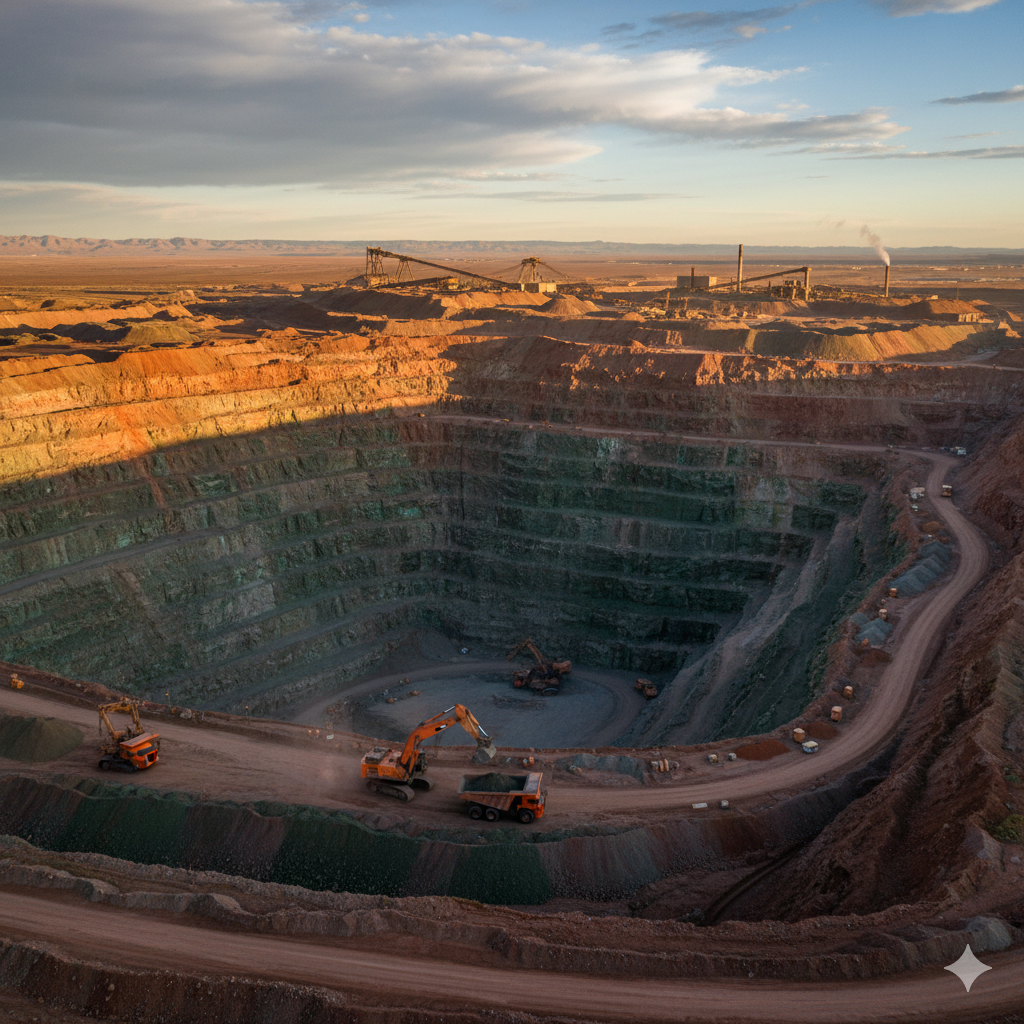
You’re stepping into a region where mining shaped towns, technology, and the economy—especially in the Upper Peninsula where copper and iron drove growth for more than a century. Michigan still mines today, with operations ranging from legacy copper and iron sites to modern nickel and critical‑minerals projects that tie directly into batteries and clean‑energy supply chains.
This article maps the story you’ll need about Mining in Michigan: how mining grew here, what active operations look like now, and how economics, environment, and regulations steer future projects. Expect clear, practical context so you can judge Michigan’s mining comeback and what it means for communities, jobs, and natural resources.
History and Current State of Mining in Michigan
Michigan’s mining story spans thousands of years, from Native American copper uses to 19th-century industrial booms and a 21st-century resurgence driven by battery metals. You’ll find historical mine sites across the Upper Peninsula and active operations focused on copper, nickel, iron, and aggregates today.
Early Mining Operations
Native peoples began extracting native copper on the Keweenaw Peninsula as early as 3000 BCE, using stone tools to hammer and cold-work copper nuggets. European-American commercial mining began in the mid-1800s; the Keweenaw Copper District rapidly expanded after 1845, driven by “shot” copper in amygdaloidal basalt.
You’ll see 19th- and early 20th-century technology reflected in mine shafts, headframes, and stamp mills that supported large-scale extraction. By the late 1800s, Michigan supplied much of the United States’ copper and iron, triggering towns, shipping infrastructure, and immigrant labor communities.
Major Minerals and Resources
Copper and iron dominated Michigan’s historic production; the Keweenaw produced native copper while the Marquette and Menominee ranges supplied iron ore. Today you’ll also find nickel, platinum-group elements (PGEs), sand and gravel, limestone (for cement), and industrial minerals.
Current resource focus shifts toward battery metals: copper, nickel, and cobalt are attracting exploration in the western Upper Peninsula. Nonmetallic production remains important—construction aggregates and cement continue to supply state infrastructure projects and regional markets.
Modern Mining Techniques
Modern operations use mechanized open-pit and underground methods depending on deposit geometry. You’ll observe large electric shovels, drilling rigs, and haul trucks in open pits and trackless underground mining with remote-operated loaders where conditions allow.
Environmental controls now include water treatment systems, progressive reclamation, and mine waste containment designed to meet state and federal regulations. Companies increasingly apply geotechnical monitoring, advanced ore-grade assays, and metallurgical testing to improve recovery and reduce environmental footprint.
Key Mining Companies
Several companies operate or explore in Michigan today, ranging from large diversified firms to junior explorers focused on battery metals. You’ll encounter operators with active iron and aggregate mines and juniors conducting drilling programs for copper-nickel targets.
Publicly listed companies often publish technical reports and permitting updates relevant to local economies and job prospects. Local contractors and service firms provide drilling, environmental monitoring, and reclamation work that supports both exploration and long-term site closure planning.
Economic, Environmental, and Regulatory Aspects
Michigan’s mining sector drives jobs, tax revenue, and material supply while requiring careful environmental safeguards and a structured permitting system. You will find that economic benefits, ecological risks, legal requirements, and community relationships all shape how projects proceed and how impacts get managed.
Economic Contributions
You can expect mining to support local employment, particularly in the Upper Peninsula where historic copper and iron deposits still attract activity. Active projects and exploration work create direct mining jobs, plus indirect positions in equipment, transportation, and services.
Mining also delivers tax revenue and royalties to counties and the state. Local governments receive property taxes and, in some cases, host agreement payments that fund schools, roads, and emergency services. Michigan’s mixed portfolio — historic copper, iron, sand, and growing interest in critical minerals — influences regional supply chains and investment patterns.
Consider project scale when assessing benefits: large metallic mines produce the greatest payroll and supply-chain impacts, while smaller sand or aggregate operations mainly serve construction markets. You should evaluate job duration, commodity price sensitivity, and reclamation-related employment when estimating long-term economic value.
Environmental Impact and Management
You must account for water quality, habitat disturbance, and waste-rock management when evaluating environmental risks. Mining can alter surface and groundwater through dewatering, tailings seepage, or acid-generating material; state regulators require monitoring and mitigation plans.
Operators implement progressive reclamation, erosion control, and stormwater systems to limit sediment and pollutant runoff. For metallic mining, closure plans often include groundwater restoration targets, engineered covers, and habitat re-establishment. You should review site-specific environmental impact assessments and long-term monitoring data to judge effectiveness.
Emerging projects increasingly evaluate cumulative impacts on wetlands, fisheries, and Great Lakes tributaries. Financial assurance mechanisms (bonding or trust funds) obligate companies to complete reclamation and cover post-closure care, reducing the likelihood that taxpayers inherit cleanup costs.
Mining Laws and Permitting
You need to navigate a layered regulatory framework led by the Michigan Department of Environment, Great Lakes, and Energy (EGLE). EGLE issues water use permits, air permits, and mine-specific approvals while administering inspection and compliance programs.
Permitting typically requires environmental impact studies, closure and reclamation plans, and financial assurances. Local zoning, county ordinances, and federal laws (Clean Water Act, wetlands permits) can add requirements. Expect sequential permits: exploration notices, construction/operation permits, and final closure approvals.
Compliance enforcement includes inspections, reporting obligations, and penalties for violations. You should confirm that permit conditions cover monitoring frequency, adaptive mitigation triggers, and long-term stewardship responsibilities before project approval.
Community Engagement and Partnerships
You must prioritize early, transparent engagement with local residents, tribal governments, and municipal officials. Effective outreach includes public meetings, accessible technical documents, and timely responses to concerns about water, traffic, and property values.
Partnerships often take the form of host-community agreements that specify infrastructure investments, hiring commitments, and environmental safeguards. Companies increasingly fund local workforce training and STEM initiatives to boost regional employment readiness.
Respect for tribal consultation is legally and culturally essential, especially in areas with treaty rights or traditional use. You should look for documented stakeholder input, grievance mechanisms, and ongoing communication plans as indicators of a project’s social license to operate.






Leave a Reply