
In the current competitive job market, most employers tend to shortlist an individual based on their well-written CV or relegate them to the waste bin. Employers are getting dozens or even hundreds of applications each time they create a vacancy, and that means that your resume needs to be able to communicate instantly that you are a valuable asset. Having an impressive CV is not merely about the number of things that you have done, but it is about giving the correct information in a clear, professional and focused manner that is related to the job that is being applied to.
Knowing the Point of a CV.
A CV is a document that is used to show your personal marketing strengths, abilities, experience and accomplishments in relation to the requirements of an employer. The recruiters usually take no more than a few seconds of their time on a CV, and then decide whether or not to read it. It is due to the fact that clarity, relevance, and structure are vital. You are not trying to explain your whole life story to the employer, and you are trying to make them realise that you are capable, credible, and worth interviewing.
Selecting the proper CV Structure.
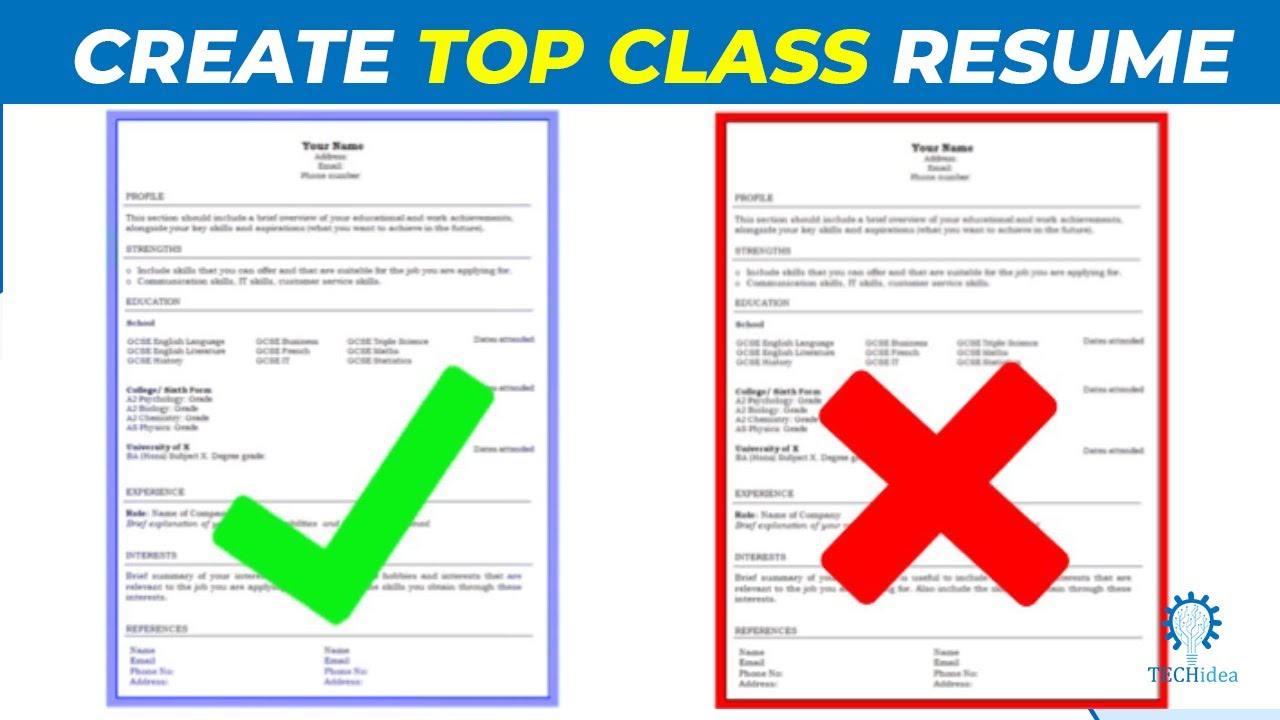
A good CV is written in a logical and comprehensible format. It typically starts with personal information,n including your name and contact, then continues to your professional summary, work experience, education, abilities, and any other category, including certifications, without leaving out any other section. A neat design, regular spacing, and headings aid recruiters in finding the vital information within a short period. Very complicated designs or ornate fonts can be distracting to read and decrease the quality of readership.
Writing a Powerful Professional Summary. A professional summary is a very significant section of a CV since it will be the first section of a CV, and it will create a tone for the rest of the document. In this brief paragraph, you must mainly articulate who you are as a Dubai CV maker, your major strengths,s as well as what you would bring to the organisation. Did you write generic statements? You should concentrate on specific knowledge, experience or career objectives that apply to the position. A summary that is written effectively draws attention and makes the recruiter continue reading.
Emphasising Relevant Work Experience.
The area that employers pay full attention to is work experience. All the positions must be posted in terms ofreversed chronological order, with the last position being the last position. Appropriate presentation of job titles, company name, and date of employment should be done. Bringing out the descriptions should focus on the accomplishments and contributions, and not on the daily duties. Presenting quantifiable outcomes, including higher sales, a more efficient work process, or a successful project implementation, will help prove your value and contribution to your former employers.
Effectively introducing Education.
The educational section must be placed first with your highest qualification,s followed by the institution name and the dates of taking the qualification. Education, instead of work experience, can be given to recent graduates or those with little work experience to show academic strengths. Relevant coursework, research projects or academic distinctions can also be provided, as long as they are in your favour. However, the details that are not necessary, e.g., primary education, must be avoided to make the CV succinct.
Demonstrating Competencies
A great CV dwells on the skills that are pertinent to the position. These could be technical skills, professional skills or portable skills like communication and problem solving. Employers also consider it important to hire a candidate who clearly shows how their skills match the job requirements. Instead of enumerating generic abilities, it is more plausible to incorporate skills in the descriptions of work experience that makeit a more believable and meaningful contribution.
Tailoring the CV to Each Job
A major error made by job seekers is atapplying an athe same positionh the same CV. Adjusting your CV to the position stands a high chance of achieving success. This includes making sure that you read the job description and tailor your professional summary, experience, and skills to reflect the priorities of the employer. Keywords used in the job advert will also result in better applicant tracking by most organisations.
Using Professional Language and Formatting.
Language and writing without errors, especially in professional writing,g are fundamental in creating a good impression. Incorrect spelling, grammatical mistakes or inconsistent formatting may indicate thae attention to detail is not being paid. Readability is improved by the use of simple fonts, clear headings and uniform alignment. All CVs must be two or one page llongg depending on the level of experience, and this is to make it focused and to be felt.
Wisely Inclusion of Additional Sections.
Other parts of the C, V like certifications, professional memberships, work experience as a volunteer or as aaw ardeerd can enhancethe CV provided, if they are pertinent to the position. These are the areas that must become value addition instead of space fillers. Incorporation of hobbies or personal interests is not compulsory, but only needs to be incorporated when they reflect useful skills or cultural orientation with the company.
Conclusion
To make a great CV, one will need to be a planner, be self-conscious and detailed. With a moreeffective organisationn and understanding of the purpose of a CV, you can find a lot more success in standing out from the crowd to employers by customising your CV to suit every job you apply to. A good CV never gets overboard or exaggerated, but rather clearly and confidently states what you are good at in a manner that is relevant to the demands of the employer. However, properly done, your CV will be a potent tool that creates new career opportunities.



Leave a Reply