
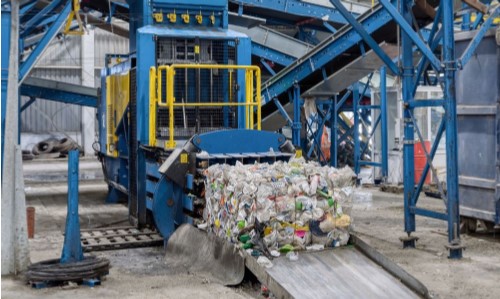
A garbage compactor is a mechanical device designed to compress waste materials into smaller, more manageable volumes. By reducing the size of trash, garbage compactors help optimize storage space, lower waste disposal costs, and improve overall sanitation. They are widely used in residential buildings, commercial facilities, industrial plants, hospitals, retail centers, and waste management operations. Understanding how garbage compactors work, their types, uses, and benefits can help organizations and homeowners choose the right solution for efficient waste handling.
How Garbage Compactors Work
At a basic level, a garbage compactor operates by applying force to waste materials to compress them. Waste is loaded into a hopper or chamber, either manually or automatically. Once the chamber reaches a certain level, a hydraulic or electric-powered ram plate moves forward, pressing the waste against a solid surface or container. This pressure removes air gaps and reduces the overall volume of the waste.
Most garbage compactors use hydraulic systems because they provide consistent, high-pressure force. The compacted waste is then stored in a container, bin, or bag until it reaches capacity and is removed for disposal or recycling. Safety interlocks, control panels, and sensors are built into modern compactors to prevent operation when doors are open or components are not properly aligned.
Types of Garbage Compactors
Garbage compactors are available in several types, each designed for specific waste volumes and applications.
Stationary compactors are permanently installed units connected to a detachable container. These are commonly used by supermarkets, manufacturing plants, and large commercial facilities that generate high volumes of waste.
Self-contained compactors combine the compaction unit and container into a single sealed system. They are ideal for wet or food waste, such as in restaurants, hospitals, and hotels, because they prevent liquid leakage and odors.
Vertical compactors are space-saving units where waste is loaded from the front and compacted vertically. They are often used in retail stores, warehouses, and smaller commercial settings with limited floor space.
Horizontal compactors use a horizontal ram to compress waste and are suitable for continuous, high-volume operations. These are commonly found in distribution centers and industrial environments.
Residential garbage compactors are smaller units typically installed under kitchen counters. They are designed to handle household waste and reduce the frequency of trash disposal.
Common Uses of Garbage Compactors
Garbage compactors are used across multiple sectors to manage waste more efficiently. In commercial settings, they help businesses reduce the number of waste pickups, saving on hauling and landfill fees. Industrial facilities use compactors to handle packaging materials, scrap, and production waste. Hospitals and healthcare facilities rely on compactors to manage general waste while maintaining hygiene standards.
In residential applications, a garbage compactor helps households minimize trash volume, control odors, and keep kitchens cleaner. Municipal waste management systems also use large-scale compactors to streamline waste collection and transportation.
Benefits of Using a Garbage Compactor
One of the primary benefits of a garbage compactor is significant waste volume reduction, often by up to 80 percent depending on the material. This reduction leads to fewer waste collections, lower transportation costs, and decreased landfill usage.
Garbage compactors also improve cleanliness and safety by containing waste in sealed environments, reducing pest infestations and unpleasant odors. For businesses, this contributes to a more professional and hygienic workspace.
Environmental benefits include improved recycling efficiency and reduced carbon emissions from fewer waste transport trips. Compactors also help organizations comply with waste management regulations and sustainability goals.
From an operational perspective, garbage compactors save time and labor by streamlining waste handling processes. Employees spend less time managing trash, allowing them to focus on core tasks.
Conclusion
Garbage compactors play a crucial role in modern waste management by reducing waste volume, improving sanitation, and lowering disposal costs across residential, commercial, and industrial settings. As waste management technologies continue to evolve, integrated systems and transport solutions, including ejection blade trailers, further support streamlined and effective waste handling. By understanding how a garbage compactor works, the different types available, and their practical benefits, users can make informed decisions that enhance efficiency and sustainability.



Leave a Reply