
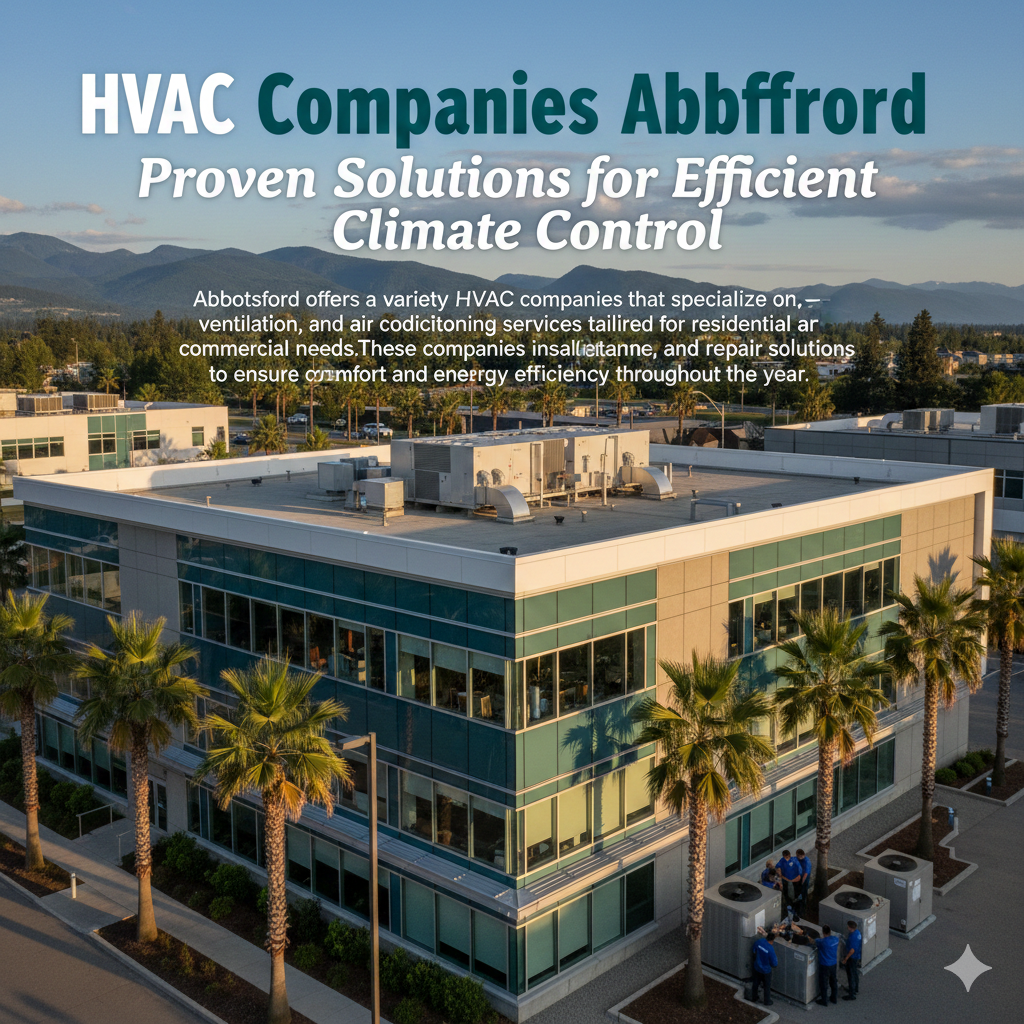
You want reliable comfort and efficient systems that don’t surprise you with high bills or sudden breakdowns. A trusted heating and air conditioning company gives you clear service options, honest pricing, and technicians who fix problems fast and prevent them from returning.
This article walks you through the core services you should expect—installation, routine maintenance, and emergency repair—and shows how to evaluate contractors on certifications, warranties, and customer feedback. You’ll learn practical signs of quality work and the questions to ask so you hire a company that protects your comfort and your budget.
Heating and Air Conditioning Services
You’ll find practical, service-focused options for keeping your indoor climate reliable, efficient, and safe. Services include installations sized to your space, commercial system planning, rapid emergency response, and upgrades that lower energy use and operating costs.
Residential HVAC Installation
You get systems matched to your home’s size, insulation, and occupancy patterns. Technicians perform load calculations (Manual J) and duct evaluations before recommending furnaces, air conditioners, heat pumps, or ductless mini-splits that meet your required capacity and efficiency targets.
Installation steps include removal of the old equipment, proper refrigerant handling, correct duct sealing and insulation, accurate thermostat wiring, and commissioning tests for airflow, static pressure, and temperature split. Warranties, manufacturer registration, and maintenance plans are offered so your investment stays protected and efficient.
Ask for upfront written estimates, projected seasonal energy use, and the expected lifespan for each option. Request documentation of permits and safety checks, especially for gas furnaces and combustion appliances.
Commercial System Solutions
You need systems designed for varying occupancy, zoning, and ventilation codes. Providers design rooftop units, VRF/VRV systems, chilled-water plants, and dedicated outdoor air systems (DOAS) to meet load profiles, peak demands, and indoor air quality requirements.
Project scope covers energy modeling, redundancy planning, control integration with building management systems (BMS), and phased installation to minimize business disruption. Technicians size equipment, specify economizers, and implement zoning for tenant spaces to improve comfort and reduce operating waste.
Maintenance contracts typically include scheduled inspections, coil and filter cleaning, refrigerant leak detection, and performance reports that help you budget and meet compliance for ventilation and IAQ standards.
Emergency Repairs
You’ll get fast response protocols that prioritize safety and restore operation quickly. Reputable providers offer 24/7 dispatch with trained technicians carrying common replacement parts and diagnostic tools for compressors, control boards, burners, and blower motors.
When a technician arrives they perform a safety triage (gas leaks, electrical faults, carbon monoxide checks) before troubleshooting. They document findings, provide a clear repair estimate, and explain temporary fixes versus full replacements so you can decide with accurate cost and lifespan information.
Keep an emergency contact, serial numbers for major equipment, and your maintenance history accessible to speed diagnosis and reduce repeat failures.
Energy-Efficient Upgrades
Upgrades focus on reducing consumption and improving comfort without sacrificing performance. Typical measures include swapping to high-efficiency furnaces/heat pumps, installing variable-speed fans and compressors, sealing and insulating ducts, and adding programmable or smart thermostats.
You can also improve ventilation efficiency with energy recovery ventilators (ERV/HRV) and upgrade filtration for healthier indoor air. Contractors should provide projected payback periods, estimated seasonal energy savings (kWh/therms), and available rebates or financing to help you compare options.
Request pre- and post-upgrade performance metrics—energy use, temperature consistency, and humidity control—so you can verify improvements and ensure the upgrade meets your goals.
Choosing a Reputable Heating and Air Conditioning Company
Look for a company with verifiable credentials, consistent customer feedback, and clear maintenance and warranty offerings. These factors determine service quality, safety, and long-term cost control.
Licensed and Certified Technicians
Verify the company’s trade license number and the technicians’ certifications before scheduling work. Ask for the state or provincial license, HVAC contractor registration, and proof of EPA (or local equivalent) refrigerant handling certification for any system that uses refrigerant.
Check for manufacturer training badges for the specific brands you own. Those credentials mean technicians received factory-approved installation and troubleshooting instruction.
Request proof of insurance—general liability and workers’ compensation—and confirm the policy is current. That protects you if a worker is injured or if damage occurs during service.
Customer Reviews and Testimonials
Read recent reviews on multiple platforms: Google, Better Business Bureau, and industry-specific sites. Focus on patterns (e.g., repeated praise or recurring complaints) rather than single extreme ratings.
Ask the company for local references and dates of those jobs. Call at least two recent customers and ask about timeliness, cleanup, whether the quoted price matched the final bill, and post-service follow-up.
Watch for transparent complaint handling. A reputable company responds publicly to negative reviews, offers remedies, and documents completed fixes.
Maintenance Plans and Guarantees
Compare the scope of maintenance plans: tune-up frequency, included tasks (filters, motor checks, safety controls), and cost. A clear checklist helps you know what you’re paying for and when.
Look for written guarantees on labor and parts with specific durations. Confirm whether warranties require company-performed maintenance and whether parts carry manufacturer warranties that the company will honor and file claims for.
Check emergency response terms: guaranteed response windows, after-hours fees, and whether priority scheduling is included for plan members. Ensure cancellation terms and price escalation clauses are spelled out in writing.






Leave a Reply