
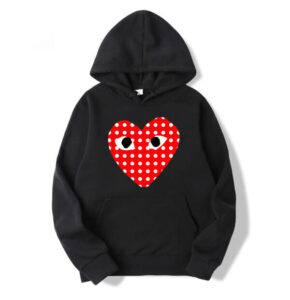
When discussing the evolution of avant-garde fashion in the United States, it is impossible to ignore the influence of Comme des Garçons. Founded in Tokyo by visionary designer Rei Kawakubo in 1969, the brand quickly became synonymous with deconstruction, asymmetry, Comme Des Garcons and intellectual rebellion against conventional fashion norms. Although rooted in Japanese design philosophy, Comme des Garçons has carved a powerful identity within American street style, particularly in cities like New York City and Los Angeles. Over the decades, it has transcended traditional luxury fashion boundaries and embedded itself deeply into youth culture, music scenes, skate communities, and high-fashion streetwear circles across America.
The relationship between Comme des Garçons and American street style is not about loud logos or mainstream trends. Instead, it is about subtle rebellion, thoughtful layering, oversized silhouettes, and a quiet yet unmistakable statement of individuality. In a country where street style often merges comfort with personality, the brand’s experimental aesthetic has found a loyal following among those who reject conformity.
The Origins of an Avant-Garde Movement
Rei Kawakubo’s approach to fashion was revolutionary from the beginning. When Comme des Garçons debuted in Paris in the early 1980s, critics were shocked by the predominance of black fabrics, distressed textures, and unconventional tailoring. American fashion observers initially viewed the collections as radical and even disruptive. However, what was once misunderstood gradually became admired.
As American designers and stylists began exploring deconstruction and minimalism, Comme des Garçons became a point of reference. The brand’s influence filtered into street culture through boutique stores, fashion editorials, and collaborations. By the late 1990s and early 2000s, American youth interested in alternative fashion began gravitating toward the label as a symbol of intellectual cool rather than flashy luxury.
Comme Des Garçons PLAY and the Streetwear Boom
One of the most significant catalysts for the brand’s rise in American street style was the launch of Comme des Garçons PLAY. Recognizable by its iconic heart-with-eyes logo designed by Polish artist Filip Pagowski, the PLAY line introduced a more accessible and casual side of the brand. The simple striped shirts, cardigans, and Converse collaborations made avant-garde fashion wearable for everyday American consumers.
The collaboration with Converse, particularly the Chuck Taylor sneakers featuring the heart logo, became a street style staple. In cities like New York and Los Angeles, it became common to see creatives pairing minimalist black outfits with PLAY sneakers, effortlessly blending high fashion with casual urban wear.
Unlike many streetwear brands that rely heavily on hype culture, Comme des Garçons maintained an air of mystery and artistic integrity. This balance allowed it to thrive in America without losing its conceptual roots. It appealed equally to fashion students, musicians, and tech entrepreneurs seeking understated sophistication.
New York City: The Epicenter of CDG Street Expression
In New York City, street style is a daily runway. The city’s diverse neighborhoods foster experimentation, and Comme des Garçons fits seamlessly into this environment. In areas like SoHo and Brooklyn, layered black coats, oversized blazers, drop-crotch trousers, and sculptural tops reflect the brand’s aesthetic influence.
The presence of Dover Street Market in New York further solidified the brand’s role in American street fashion. Founded by Rei Kawakubo and her husband Adrian Joffe, Dover Street Market redefined retail as an artistic installation space. It became more than a store; it became a cultural hub where fashion, art, and youth identity intersect.
New Yorkers often incorporate Comme des Garçons pieces as statement anchors in otherwise simple outfits. A dramatic asymmetrical jacket might be worn over basic denim, or exaggerated tailoring may contrast with classic sneakers. The key element is individuality. The wearer is not following trends but expressing personal philosophy through clothing.
Los Angeles: Minimalism Meets Experimental Edge
On the West Coast, particularly in Los Angeles, the interpretation of Comme des Garçons street style takes on a more relaxed tone. The climate encourages lighter fabrics and looser silhouettes. CDG pieces are often styled with wide-leg trousers, cropped tops, and understated accessories.
Los Angeles creatives in film, music, and art scenes gravitate toward the brand because it aligns with a non-commercial, forward-thinking identity. Unlike flashy luxury brands that dominate celebrity culture, Comme des Garçons offers subtle prestige. Wearing it signals awareness of fashion history and appreciation for conceptual design.
The influence of skate culture in LA also intersects with the PLAY line and sneaker collaborations. The mix of tailored avant-garde pieces with casual skate-inspired elements creates a uniquely American fusion that feels effortless yet intentional.
The Influence on American Designers and Streetwear Labels
Comme des Garçons has profoundly impacted American designers who blur the lines between luxury and streetwear. Brands emerging from New York and Los Angeles often borrow elements such as oversized cuts, monochromatic palettes, and layered textures that echo Kawakubo’s design philosophy.
The brand’s willingness to challenge gender norms has also resonated strongly in American street culture. Many of its collections defy traditional male and female silhouettes, encouraging fluidity and self-expression. This aligns with broader cultural shifts in the United States, where younger generations embrace inclusivity and reject rigid style categories.
Collaborations have further strengthened its American presence. Whether partnering with global sportswear companies or experimental artists, Comme des Garçons consistently maintains creative control. This integrity differentiates it from trend-driven labels and keeps it relevant in an ever-changing street style landscape.
Why Comme Des Garçons Remains Relevant in America
In a fashion market saturated with logos and fast-changing trends, Comme des Garçons stands apart. Its relevance in American street style lies not in mass appeal but in intellectual authenticity. It represents fashion as art rather than mere commodity.
Young Americans drawn to creative industries often choose CDG because it reflects deeper values: independence, critical thinking, and cultural awareness. The brand does not dictate how to wear its pieces; instead, it invites reinterpretation. This openness allows it to evolve organically within diverse American subcultures.
Furthermore, the accessibility of the PLAY line provides an entry point for new consumers, while the main runway collections continue to inspire high-level fashion experimentation. This dual structure enables the brand to operate simultaneously in luxury and street contexts without diluting its identity.
Conclusion: A Lasting Cultural Dialogue
The story of Comme des Garçons in American street style is one of dialogue between East and West, art and commerce, rebellion and refinement. CDG Gold Heart Tee From the streets of New York City to the creative enclaves of Los Angeles, the brand has become a quiet yet powerful symbol of individuality.
Rei Kawakubo’s vision continues to challenge and inspire, proving that fashion does not need to be loud to be influential. In America’s ever-evolving street style landscape, Comme des Garçons remains a beacon for those who see clothing as more than fabric. It is a philosophy worn on the body, a statement without shouting, and a testament to the enduring power of avant-garde design in everyday urban life.


Leave a Reply