
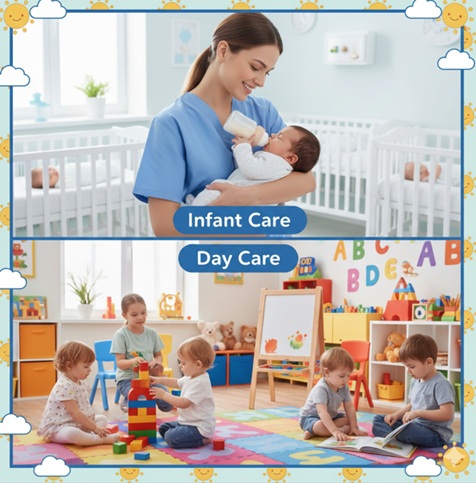
You want a preschool that fits your child’s needs, schedule, and your peace of mind. The best preschool near me balances licensed safety standards, strong early‑learning curriculum, and positive teacher‑child relationships—so prioritize nearby programs that show recent licensing inspections, clear curriculum plans, and parent reviews.
This article guides best preschool you through practical steps to find local options, compare ratings and costs, and spot the programs that promote readiness and curiosity. Expect straightforward advice on checking licensing reports, visiting classrooms, and weighing curriculum and staff stability so you can choose confidently.
How to Find the Best Preschool Near Me
Focus on criteria that affect daily life: schedules, location, teacher qualifications, classroom routines, safety, curriculum, and cost. Prioritize the few items that matter most to your family and use those as filters when researching and visiting programs.
Identifying Key Factors in Preschool Selection
Decide which factors are nonnegotiable for your family. Examples: full-day care versus half-day; maximum commute of 20 minutes; teacher-to-child ratio no higher than 1:10; staff with CDA or early-childhood degrees; licensed facility with up-to-date inspections.
Think about your child’s temperament and needs. If your child struggles with transitions, seek programs with predictable routines and small class sizes. If you value play-based learning, ask about daily outdoor time, sensory materials, and open-ended activities.
Use a simple ranking: list your top five priorities, assign 1–5 importance scores, then use that list when screening options. This keeps decisions objective and focused on what affects your child’s experience every day.
Researching Local Preschool Options
Start with local directories and review sites to compile a short list: city education pages, Niche, Care.com, Yelp, and preschool-specific sites. Note operating hours, tuition ranges, and whether they accept public pre-K vouchers or offer sliding-scale tuition.
Check licensing and inspection records through your state’s Department of Early Childhood or equivalent. Search for recent violations and staff qualifications. Read parent reviews for recurring themes—positive or negative—rather than single comments.
Contact each program by phone or email with three specific questions: typical daily schedule, teacher credentials, and how they handle discipline and illness. Record answers in a spreadsheet with columns for commute time, cost, schedule fit, and your priority scores.
Touring and Evaluating Preschools
Schedule in-person tours during typical program hours rather than special open-house times. Observe transitions—arrival, snack, outdoor play—and note if children appear engaged and calm. Ask to see nap/rest areas, outdoor play spaces, and cleaning procedures.
During the tour, speak directly with teachers about assessment methods, parent communication frequency, and classroom behavior strategies. Verify staff-to-child ratios and ask for examples of recent lesson plans or a weekly schedule.
Use a checklist while touring: safety (gates, sign-in), curriculum alignment, teacher interaction, materials accessibility, and cleanliness. Take photos if allowed and compare notes immediately after each visit to keep impressions accurate.
What Sets Top-Rated Preschools Apart
Top-rated preschools combine verified standards, trained staff, and thoughtfully designed spaces that support early learning, safety, and social development. You’ll notice clear policies, measurable learning goals, and environments arranged to encourage exploration and independence.
Accreditation and Licensing Standards
Accreditation and licensing show a preschool meets external benchmarks for quality and safety. Look for state or provincial licensing that confirms legal staffing ratios, health protocols, and background checks. National or regional accreditation (for example, from a recognized early childhood organization) indicates the program follows researched curricula and ongoing improvement practices.
Check for posted inspection reports, staff qualification records, and emergency plans you can review. Accredited programs usually track child progress with developmental checklists and share assessment results with parents. That transparency helps you compare programs on measurable criteria rather than marketing claims.
Qualified and Caring Educators
Teachers shape daily experience more than curriculum alone. Prioritize preschools where lead teachers hold early childhood certificates or diplomas and assistants receive regular in-service training. Staff should have up-to-date first aid and child protection training, and the center should publish staff-to-child ratios matching licensing rules.
Observe teacher interactions: attentive, low-stress redirection and frequent language-rich conversations show quality. High-rated programs support staff with coaching, performance reviews, and professional development budgets—factors that reduce turnover and ensure consistent relationships for your child.
Safe and Stimulating Learning Environments
Safety covers physical layout, cleanliness, supervision, and secure entry/exit protocols. Confirm the facility enforces drop-off/pick-up procedures, logs visitors, and performs routine safety drills. Outdoor play areas should have age-appropriate equipment on impact-absorbing surfacing and fenced boundaries.
Stimulation comes from intentional classroom setup: labeled play centers (reading, sensory, blocks), accessible materials at child height, and a predictable daily schedule balancing free play, guided activities, and rest. Classrooms that display children’s work and rotate materials weekly encourage curiosity and sustained attention.





Leave a Reply