
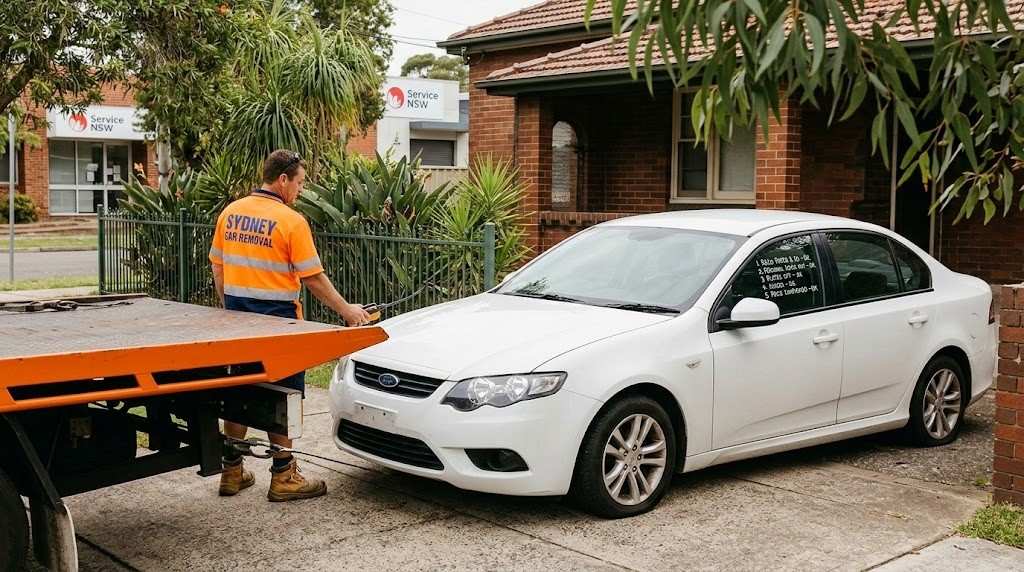
Preparing for a professional vehicle removal ensures a seamless transition from a cluttered driveway to a clear space. Efficiency in the scrap car industry depends on both the provider and the vehicle owner completing specific logistical steps.
To book a successful pickup with Sydney Car Removal, follow these 5 essential preparation steps to guarantee a legal, safe, and high-value transaction.
1. Verification of Ownership and Personal Identification
Ownership verification is the legal foundation of every vehicle scrap transaction in New South Wales. Licensed wreckers and recycling centres require proof that the individual selling the car has the legal authority to do so. This prevents the unauthorised sale of vehicles and ensures compliance with Fair Trading regulations.
Necessary documents include:
-
Proof of Identity: A current NSW Driver Licence or a valid Passport.
-
Proof of Ownership: The vehicle’s registration papers (Rego) or a signed notice of disposal.
-
Business Documentation: An ABN and authorisation letter if selling a company-owned fleet vehicle.
Presenting these 3 documents immediately upon the arrival of the tow truck driver speeds up the administrative process and allows for the instant issuance of a receipt.
2. Removal of Personal Belongings and Aftermarket Accessories
Vehicles often serve as mobile storage units, resulting in the accumulation of personal items over years of use. Once the salvage yard begins compacting or dismantling the vehicle, you cannot physically retrieve any lost items.
Check these 6 common hiding spots before the driver attaches the winch.
-
The Glove Box: Contains fuel receipts, old insurance papers, and registration stickers.
-
Under the Seats: Often hides loose coins, mobile chargers, or lost jewellery.
-
The Boot Well: Check near the spare tyre for emergency kits, jumper leads, or personal tools.
-
Door Pockets: Frequently hold sunglasses, umbrellas, and garage door remotes.
-
Sun Visors: A common spot for parking permits and toll tags.
-
CD Players: Eject all physical discs from the head unit.
Beyond personal items, decide if you wish to keep aftermarket additions. Remove items like high-end audio speakers, custom alloy wheels, or specialised roof racks before the removal team arrives, as the initial quote assumes the vehicle remains in its current state.
3. Number Plate Removal and Registration Cancellation
Cancelling your registration is a critical step to stop ongoing insurance premiums and receive a pro-rata refund on your remaining CTP green slip. In Sydney, you must return number plates to a Service NSW centre, as they remain the property of Transport for NSW.
The table below outlines the differences between keeping and returning your plates:
| Action | Responsibility | Financial Impact |
| Plate Removal | Vehicle Owner | Required for Rego refund |
| Service NSW Return | Vehicle Owner | Triggers pro-rata refund of fees |
| Notice of Disposal | Vehicle Owner | Ends legal liability for the vehicle |
| Toll Tag Removal | Vehicle Owner | Prevents ongoing automated charges |
To remove plates, use a standard Phillips head screwdriver. If the screws are rusted, notify the removal team in advance so they can assist with specialised tools during the pickup.
4. Vehicle Accessibility and Site Safety
Safe extraction of a non-running vehicle requires adequate physical clearance for a tilt-tray or wheel-lift tow truck. Towing operators face significant risks when working in narrow laneways or on steep inclines. Ensuring the vehicle is accessible reduces the time taken for the pickup and prevents damage to your property.
Evaluate these 4 situational factors before the scheduled time:
-
Tyre Inflation: If the tyres are completely flat, the car is harder to winch. Mention this during the booking.
-
Obstructions: Move bins, other cars, or garden furniture out of the path of the tow truck.
-
Key Availability: Having the ignition keys allows the driver to unlock the steering column, making the car steerable during the winching process.
-
Ground Surface: Soft mud or long grass can hinder heavy machinery; paved or gravel surfaces are ideal for stability.
5. Final Confirmation of the Quoted Price
Transparency regarding the vehicle’s condition ensures the price agreed upon over the phone remains the price paid on the driveway. Value is determined by the weight of the steel, the demand for specific spare parts, and the presence of high-value components.
Factors that influence the final valuation include:
-
The Catalytic Converter: This component contains precious metals like platinum and palladium; its absence significantly lowers the scrap value.
-
Engine Completeness: A “rolling shell” (a body with no engine or transmission) is worth less than a complete, non-running car.
-
Body Damage: Heavy fire or flood damage affects the recyclability of the upholstery and plastic components.
Confirming these details during the initial call prevents negotiations at the point of collection, ensuring a fast and professional experience for both parties.
Learn More: https://www.sydneycarremoval.com.au/
Why Professional Removal is the Superior Choice
Choosing a reputable local service is the most effective way to dispose of an unwanted vehicle while supporting circular economy practices. Traditional private sales often involve 2 to 3 weeks of “tyre-kickers” and failed inspections, whereas professional removal is completed in under 24 hours.
Target Audience for Professional Removal
-
Homeowners: Individuals looking to clear space in garages or backyards.
-
Property Managers: Those dealing with abandoned vehicles on commercial or residential estates.
-
Mechanics: Workshops with “dead” cars taking up valuable hoist space.
-
Executors of Estates: People tasked with quickly clearing assets from a deceased estate.
Pros and Cons of Scrap Car Removal
| Pros | Cons |
| Instant Space: Removes a physical eyesore immediately. | Fixed Value: You generally receive scrap value rather than market retail. |
| Eco-Friendly: Fluids are drained and recycled responsibly. | Owner Presence: Requires the owner to be present for paperwork. |
| Free Towing: Most reputable services include pickup at no cost. | Limited Negotiation: Prices are dictated by global steel markets. |
Summary of Post-Pickup Tasks
Once the truck departs, your responsibilities shift to the administrative side of vehicle ownership. Taking 10 minutes to finalise these tasks protects you from future liabilities.
First, lodge your Notice of Disposal (NOD) online via the Service NSW website. This creates a digital record that you are no longer the operator of the vehicle, protecting you from future speeding fines or tolls incurred by the new possessor. Second, contact your insurance provider to cancel your comprehensive or third-party policy. Third, log into your E-Toll or Linkt account to ensure the vehicle’s licence plate is removed from your active list.
Following these 5 checks guarantees that your experience is efficient, profitable, and entirely stress-free. By preparing your paperwork, clearing your personal items, and ensuring the car is ready for transport, you allow the experts to do what they do best: recycling Sydney’s old fleet for a greener future.



Leave a Reply